Why Certified Installation Matters for PPF and Ceramic Coatings
When shopping for paint protection film or ceramic coating, the cheapest quote looks tempting. But before booking based on price alone, consider what that lower number might cost you. Choosing a certified PPF installer over an uncertified shop affects warranty coverage and how long your protection actually lasts.
The difference between certified and uncertified installation isn't just about credentials. It's about trained hands applying your protection properly.
What Certification Actually Means
When installers hold professional certifications, it means they've completed rigorous training in proper application techniques.
At Upscale Detail Co LLC, the team holds professional certifications, credentials, and expertise rooted in years of training and detailing industry experience. The auto paint correction crew has trained with Renny Doyle and obtained professional certifications.
Each technician is trained rigorously and certified in various aspects of vehicle detailing, ensuring they can handle everything from simple applications to complex ceramic coatings and PPF installations.
The Warranty Connection
Here's something value-shoppers often overlook: your warranty depends on who installs your protection.
Most film manufacturers only honor warranties when their products are installed by certified professionals using approved techniques. Choose an uncertified shop to save money upfront, and you might void your warranty entirely.
This matters because warranties provide security when problems develop. If edges start lifting or the film fails prematurely, warranty coverage gives you recourse. Without it, you're paying for repairs or replacement out of pocket.
The installation process directly affects warranty coverage. Certified installers know the specific requirements manufacturers demand, ensuring your warranty remains valid.
What Can Go Wrong With Uncertified Installation
At Upscale Detail Co LLC, the team has seen too many DIY disasters and cut-rate installations that end up costing more to fix than doing it right the first time.
Improperly applied edges start lifting over time. Once lifting begins, dirt and moisture get underneath the film, accelerating the problem into a major issue requiring complete removal and reinstallation.
Without proper training and tools, installers create gaps that leave paint exposed or overlaps that look unprofessional and trap debris. Air bubbles from improper technique leave visible imperfections.
Cutting mistakes can compromise the integrity of the film and leave unwanted gaps or overlaps. Proper cutting requires skill, precision tools, and understanding of how film behaves on different vehicle contours.
The Tools and Techniques Difference
Certified installers invest in cutting-edge tools and techniques that enhance overall service quality.
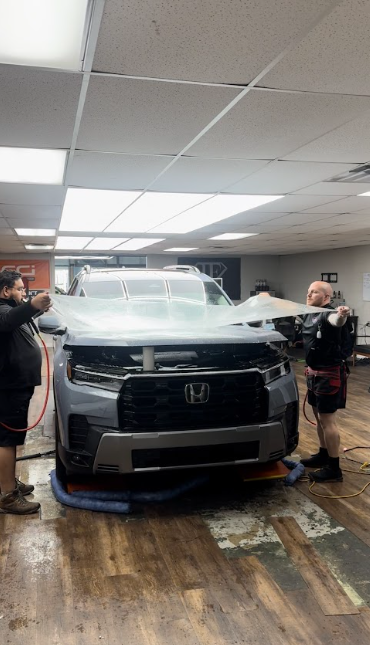
Professional shops utilize computer-cut PPF technology, ensuring precise measurements tailored specifically to your vehicle's dimensions. This eliminates most guesswork involved in traditional cutting methods.
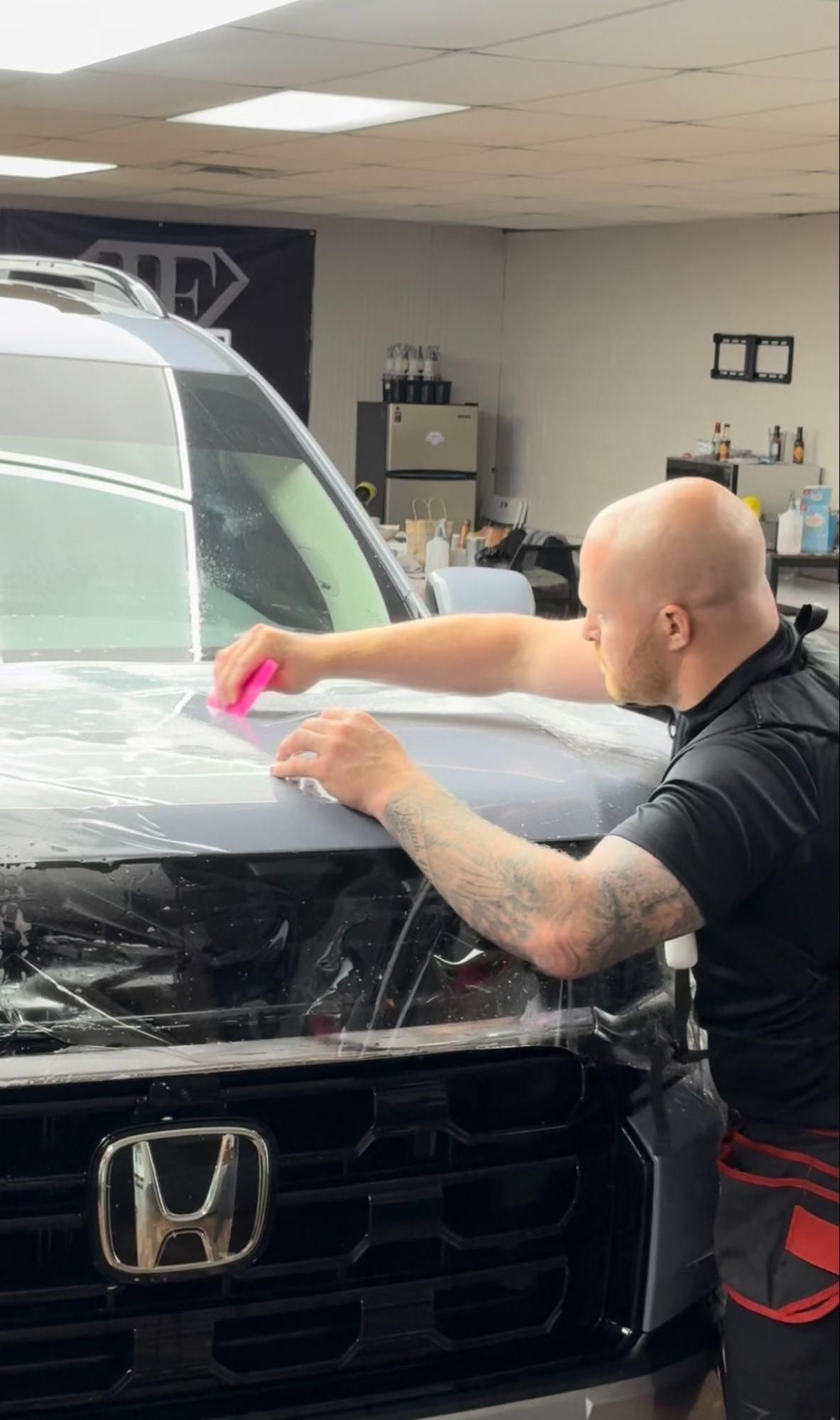
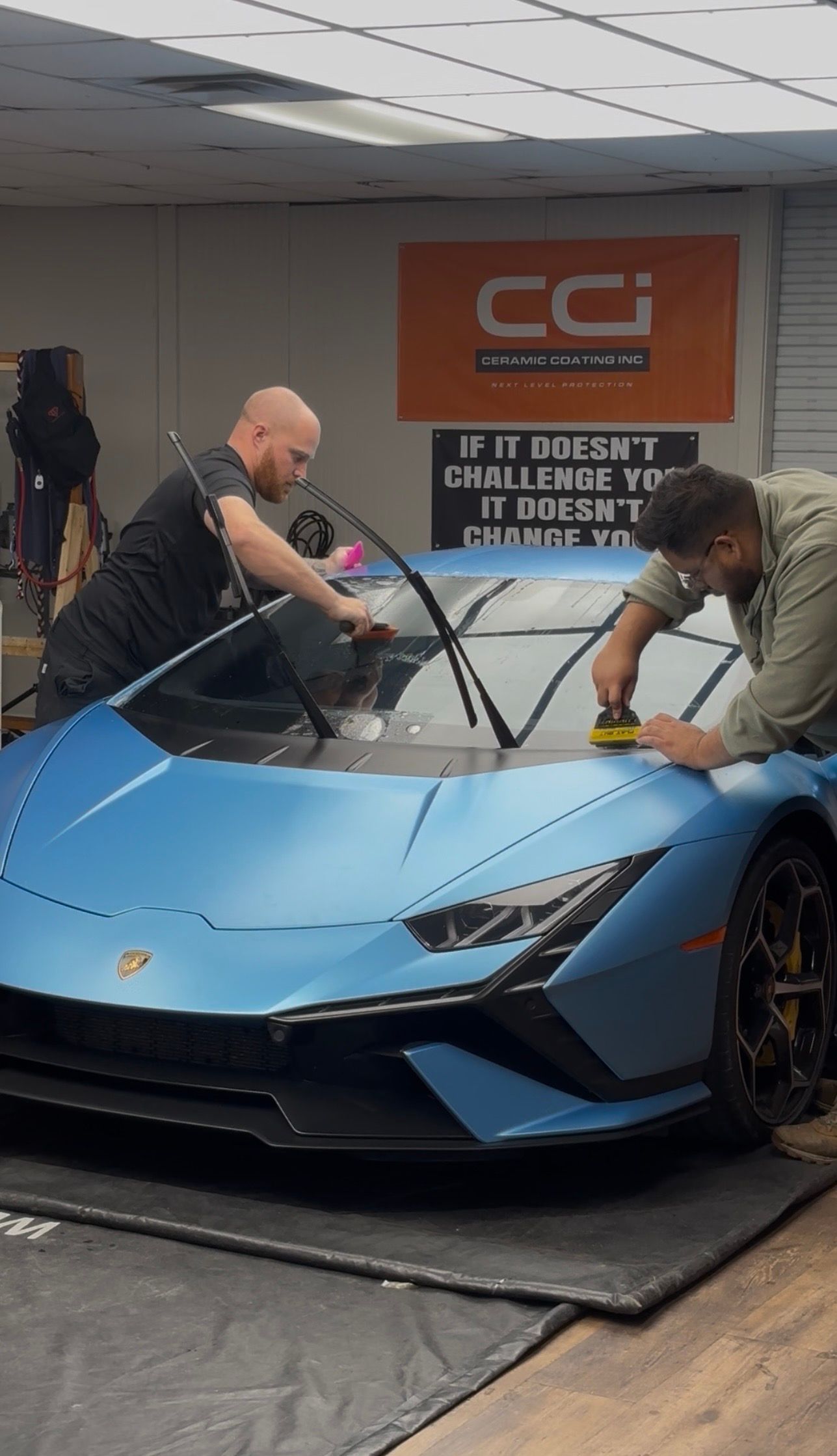
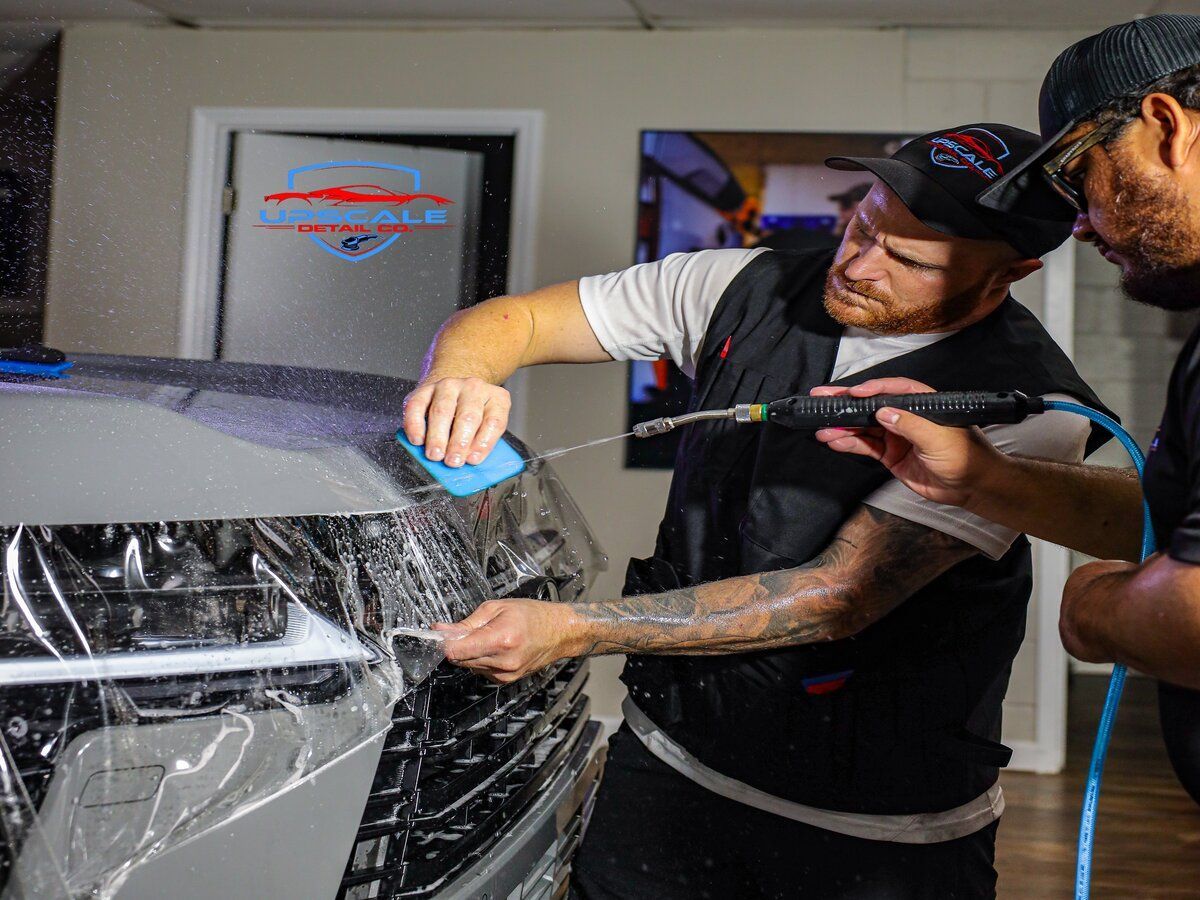
Heat guns, quality squeegees, and professional-grade applicators make the difference between invisible installation and obvious film application. High-quality applicators allow for smooth application without leaving behind unsightly lines or creases.
Professional installation happens in climate-controlled environments where humidity and temperature are managed, affecting how film adheres and cures properly.
Surface Preparation Matters
Professional application is crucial for ensuring protective layers are optimally placed for maximum effectiveness. This starts with proper surface preparation.
Certified installers know that thorough cleaning and paint correction before installation affect adhesion and final appearance. Skipping or rushing these steps leads to problems that only become apparent weeks or months later.
To get the best results, the vehicle's surface must be properly prepared before PPF installation. Professional detailing and paint correction address issues before film application, ensuring proper adhesion and longevity.
The Long-Term Cost Calculation
That cheaper quote might not actually save money when you calculate total costs.
Cut-rate installations often fail earlier than properly installed protection. When your PPF fails prematurely, you're paying for removal, surface correction, and reinstallation. Fixing problems from poor installation often costs more than professional installation would have cost initially.
Without valid warranty coverage, every problem becomes an out-of-pocket expense. Improperly installed protection doesn't protect as well either. Gaps expose paint, lifting edges allow contamination underneath, and you end up paying for protection that isn't fully protecting your vehicle.
What Professional Installation Includes
When you choose a certified PPF installer, you're paying for a complete process that ensures optimal results.
Professional installation includes proper surface prep, precise cutting, and techniques that ensure your PPF looks invisible and lasts for years. The team uses top-tier products and proven methods to protect your investment with care and precision.
The specialists take great care during the application process, as every detail matters. Professional application ensures your vehicle receives top-tier protection that performs as designed.
Ceramic Coating Installation Differences
The same principles apply to ceramic coating installation.
Certified installers understand the specific requirements for proper ceramic coating application. Professional application ensures the coating bonds correctly with your paint and performs as designed.
Ceramic coating that isn't applied correctly may not bond properly, reducing its effectiveness and longevity.
Choosing Based on Value, Not Just Price
When the purchase involves protecting an expensive asset, the cheapest option often delivers the least value.
Certified installers bring training, proper tools, controlled environments, quality materials, and warranty-preserving techniques. Uncertified shops may offer lower prices but often lack essential elements.
The question isn't just "what does installation cost?" It's "what does proper protection cost, and what does failed protection cost?"
The Security of Trained Hands
Your vehicle represents significant investment. The protection you choose and who applies it determines whether that investment is actually protected.
A certified installer has the right tools, experience, and controlled environment to ensure a smooth, damage-free process. When installed correctly by trained professionals, PPF and ceramic coating protect your vehicle's finish for years.
Making the Right Choice
Understanding why certification matters helps you evaluate options beyond just comparing prices.
At Upscale Detail Co LLC, the team provides certified in-house ceramic coating, PPF, paint correction, and auto care services. The certified car care specialists provide highly trained expertise for every vehicle they protect.
Contact us to discuss your protection needs with a certified PPF installer who can explain exactly what proper installation involves and how certification protects your investment.
Frequently Asked Questions
Why do manufacturers require certified installers for warranty coverage
Manufacturers know that installation quality directly affects product performance. Improperly installed film or coating may fail prematurely regardless of product quality. By requiring certified installers, manufacturers ensure their products are applied correctly and can perform as designed.
How can I verify if an installer is actually certified
Ask the installer directly about their certifications and training. Legitimate certified installers are proud to discuss their credentials and can show documentation. Ask what specific training they've completed and whether they maintain ongoing education in new techniques and products.
What happens if my PPF fails and I used an uncertified installer
Without certified installation, manufacturer warranties typically don't apply. You would be responsible for removal costs, surface correction, and reinstallation expenses. The total cost of fixing improperly installed protection often exceeds what certified installation would have cost initially.
Does certified installation cost significantly more than uncertified shops
Certified installation may cost more upfront, but provides better value when you factor in warranty protection, proper technique, quality results, and longevity. The price difference often disappears when you compare total costs including potential repairs and premature replacement from uncertified work.
Can uncertified installers still do good work
Some may have skills, but without certification you have no verification of their training or techniques. More importantly, manufacturer warranties typically require certified installation regardless of the installer's actual skill level. Choosing certified installation protects both the quality of work and your warranty coverage.