Paint Protection Film: Understanding Your Protection Options
When you're researching paint protection film thickness and protection capabilities, understanding what you're actually getting matters. The right protection depends on your vehicle, driving conditions, and what you need to protect against.
Let's explore how paint protection film works and what factors determine the protection level for your situation.
What Paint Protection Film Actually Does
Paint protection film is a transparent, polyurethane-based film that acts as an invisible shield for your vehicle's paint. The film protects against road debris, UV damage, and various environmental threats.
Paint protection film at Upscale Detail Co LLC functions as a sacrificial layer - taking hits so your paint doesn't have to. This self-healing urethane material absorbs the negative impact of hazards and debris before it can reach your paint.
The film is virtually invisible, so it doesn't alter your vehicle's appearance while providing protection against rocks, bugs, bird droppings, road salts, and other contaminants that can damage paint.
Understanding PPF Technology
Paint protection film uses polyurethane-based technology originally developed for military applications. The film includes multiple functional layers working together.
The self-healing polymer-based top coat becomes malleable under heat. When exposed to warmth from sunlight or warm water, minor surface marks disappear as the material flows back into its original form.
The transparent urethane film provides the primary barrier against physical damage, stopping chips and providing impact resistance.
The adhesive layer ensures the film stays securely bonded to your paint without causing damage when removed, providing a long-lasting bond while allowing for clean removal.
Self-Healing Properties Explained
PPF's standout feature is its ability to self-heal through thermal movement. Heat softens the polymer chains, allowing the film to become flexible and repair minor surface marks.
When exposed to heat like sunlight or warm water, minor marks and surface imperfections disappear. The polymer-based coating flows back into its original form, maintaining its appearance over time.
Protection Against Physical Damage
Paint protection film defends against physical damage threatening your vehicle daily.
The film provides resistance against rock chips, road debris, parking lot dings, and highway hazards. Consumer Reports found a 70% reduction in paint chips on vehicles equipped with PPF after a year of driving.
The film acts like an invisible barrier, absorbing impacts that would otherwise chip your paint. Protection extends to vulnerable areas like the front bumper, hood, side mirrors, fenders, and rocker panels.
Coverage Options: Partial vs. Full Protection
Understanding coverage options helps you match protection to your actual needs.
Front-End Protection: Front-end PPF protects the areas that get hit first by rocks, bugs, and road grime. The film shields high-impact zones that face the most exposure to road debris.
This option works well when most driving is local, you park in safe areas, and you're primarily concerned about road debris. Front-end coverage handles your biggest risks efficiently.
Full Vehicle Protection: Full-car PPF wraps your entire vehicle, covering doors, roof, trunk, and all painted surfaces. This comprehensive protection guards against more than just front-facing road debris.
Door dings in parking lots, tree sap, bird droppings, and environmental damage all become manageable with complete coverage. Full protection provides peace of mind for every painted surface.
Matching Protection to Vehicle Use
Your driving habits should guide protection decisions.
Daily drivers facing highway commutes might focus on front-end areas encountering the most road debris.
Luxury vehicles and show cars benefit from comprehensive protection guarding against parking damage and environmental exposure.
Vehicles in challenging conditions - construction zones or rough roads - need protection from handling increased exposure to damaging elements.
Professional Installation Importance
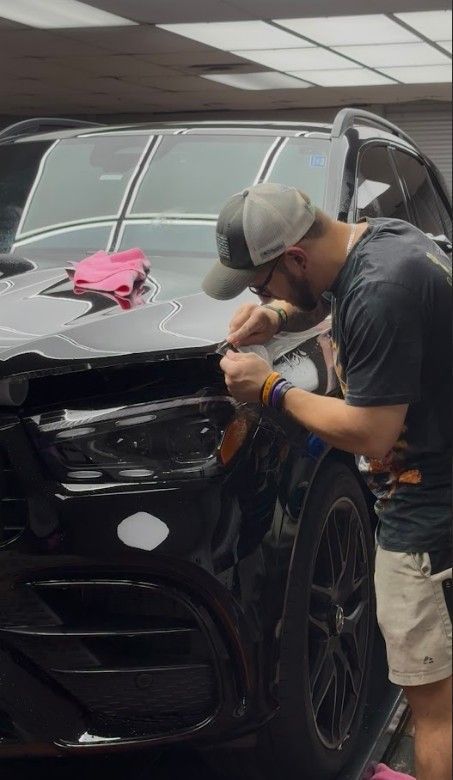
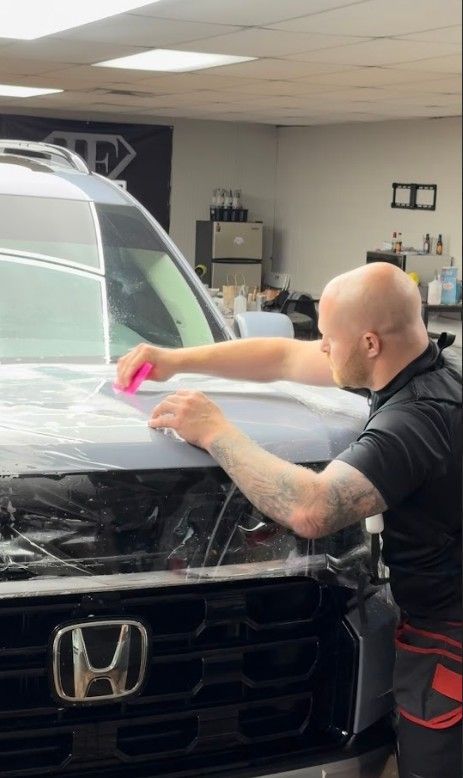
Installation quality matters more than the film itself. Poor installation leads to edges lifting, bubbles forming, and shortened protection lifespan.
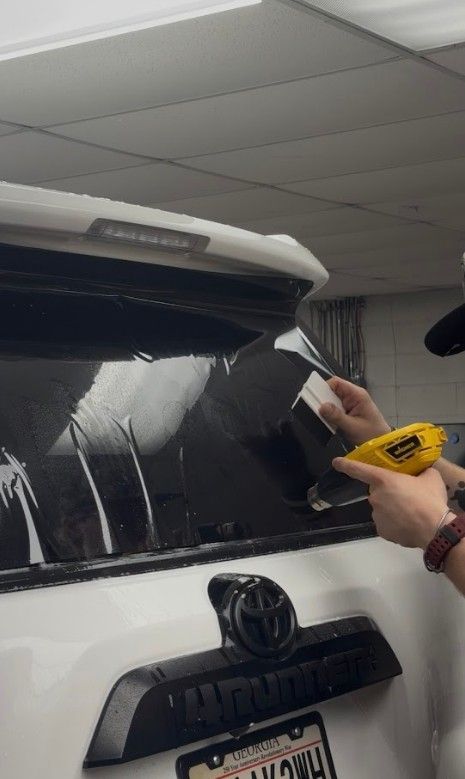
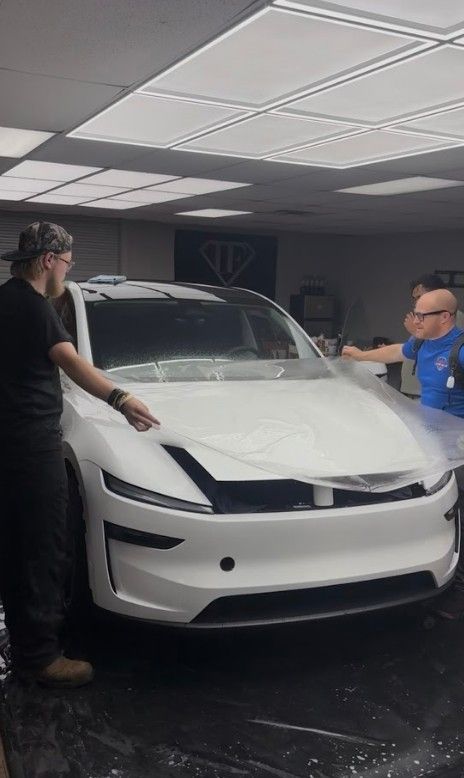
At Upscale Detail Co LLC, professional installation includes proper surface preparation, precise application, and techniques ensuring an invisible appearance and lasting performance.
Professional installers use custom patterns for each vehicle, ensuring a perfect fit and complete coverage of vulnerable areas. The installation process affects warranty coverage - most manufacturers only honor warranties when products are installed by certified professionals.
Installers have extensive knowledge of materials and use specialized tools like heat guns and precise cutting equipment for seamless application.
Surface Preparation Requirements
PPF performs best when applied to smooth, clean surfaces. The film won't hide existing damage and requires a proper surface condition for optimal adhesion.
If your vehicle has existing imperfections, paint correction may be needed before installation. While PPF can smooth over minor imperfections, deeper damage should be repaired first to ensure proper adhesion and appearance.
Long-Term Performance and Value
Paint protection film can last up to 10 years with proper care, helping maintain resale value. According to the Paint Protection Film Manufacturers Association, vehicles with PPF maintain 10-15% more resale value than unprotected counterparts.
When it's time to sell, damage-free paint makes a significant difference. The film helps prevent paint fading and discoloration from UV exposure, preserving appearance over the years of ownership.
Maintenance and Care
Paint protection film needs professional care to maintain optimal performance. The film must be replaced if there's significant damage or compromised integrity.
Avoid automatic car washes, especially soft-touch facilities, as these services can wear down the film and require earlier replacement. Professional detailing at Upscale Detail Co LLC provides proper maintenance without damage.
The smooth surface PPF creates repels dirt better than bare paint, making cleaning quicker and more effective.
Combining PPF with Other Protection
Paint protection film and ceramic coatings work well together. Pairing these methods increases both the protection level and the surface characteristics.
Gloss increases significantly when combining PPF and ceramic coating. Hydrophobic properties also improve. This combination provides comprehensive protection addressing both physical impact and environmental exposure.
Understanding Your Protection Investment
Paint protection film represents an investment in your vehicle's long-term appearance and value.
While PPF isn't cheap initially, it saves significantly over time. Repainting or fixing paint damage costs far more than preventive protection. You'll spend less on detailing, paint correction, and touch-ups.
For luxury vehicles or new vehicles, the protection investment makes clear financial sense.
Making Protection Decisions
Consider your driving conditions, parking situation, daily exposure, and how long you plan to keep the vehicle. These factors guide whether front-end or full coverage makes sense.
The team at Upscale Detail Co LLC works with you to ensure protective needs are met based on your driving lifestyle.
Getting Expert Protection Guidance
Understanding paint protection film thickness and protection capabilities helps you make informed decisions.
Professional installation using quality materials ensures your protection performs as designed.
Contact us for expert guidance on selecting the protection level that matches your needs and vehicle use.
Frequently Asked Questions
How does paint protection film actually protect my vehicle
Paint protection film creates a transparent barrier between your paint and damaging elements. The polyurethane-based film absorbs impacts from rocks, road debris, and environmental hazards before they reach your paint. The self-healing properties repair minor surface marks when exposed to heat, keeping the protective layer functioning optimally.
Does PPF work on all vehicle types
Yes, paint protection film can be applied to any vehicle surface and any vehicle type. The film works on cars, trucks, SUVs, motorcycles, boats, RVs, ATVs, and other vehicles. Professional installers use custom patterns to ensure proper fit regardless of vehicle type or body style.
Can paint protection film be applied over existing damage
PPF works best on smooth, clean surfaces. While the film can cover minor imperfections like light swirl marks, more serious damage should be repaired first. Applying film over significant marks or paint damage can result in visible imperfections and affect adhesion quality. Paint correction before installation ensures optimal results.
How long does a professionally installed PPF last
Paint protection film can last up to 10 years when professionally installed and properly maintained. The lifespan depends on driving conditions, environmental exposure, and maintenance practices. Professional installation and avoiding harsh automatic car washes help maximize film longevity and performance.
Should I choose front-end or full vehicle PPF coverage
Your driving habits and protection needs determine the right coverage. Front-end protection works well for vehicles primarily facing road debris from highway driving. Full coverage makes sense when you want comprehensive protection against parking lot damage, environmental exposure, and complete appearance preservation. Professional consultation helps match coverage to your specific situation.