Paint Protection Film Maintenance Schedule: Monthly, Quarterly, and Annual Tasks
You invested in paint protection film to safeguard your vehicle's finish. Maintaining that protection properly ensures you get maximum value from your investment. A structured maintenance schedule keeps your PPF performing optimally.
The right PPF maintenance schedule guide helps you understand what tasks to perform and when. Let's break down exactly what your PPF-protected vehicle needs throughout the year.
Monthly Maintenance Tasks
Monthly maintenance forms the foundation of proper PPF care. These regular tasks keep your film clean, functional, and looking its best.
Regular Washing Protocol
Establish a routine cleaning schedule using pH-neutral car wash soap. This preserves the film's surface while effectively removing dirt and grime. The gentle approach protects the film during cleaning.
Avoid high-pressure washers during PPF maintenance. While they seem effective, the intense water pressure risks lifting film edges and affecting adhesion quality. Use a soft sponge or microfiber cloth instead for gentler, safer cleaning.
Self-Healing Activation
Monthly washing provides an opportunity to activate the film's self-healing properties. Paint protection film uses heat to heal minor surface marks. During warm weather, park your vehicle in direct sunlight after washing. The heat helps minor marks disappear naturally.
Contamination Removal
Check for bird droppings, tree sap, and bug splatter monthly. The film prevents these contaminants from bonding to your paint underneath, but they should still be removed promptly. PPF makes contamination easier to remove than from bare paint.
Monthly inspection during washing helps you spot any issues early. Look for edge lifting or any areas that need professional attention.
Quarterly Inspection and Care Procedures
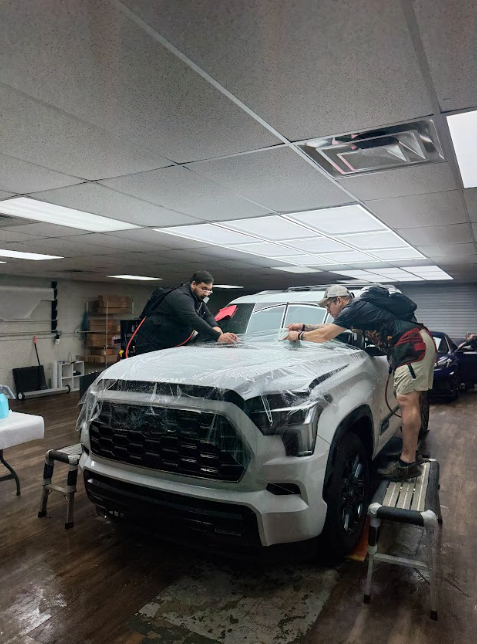
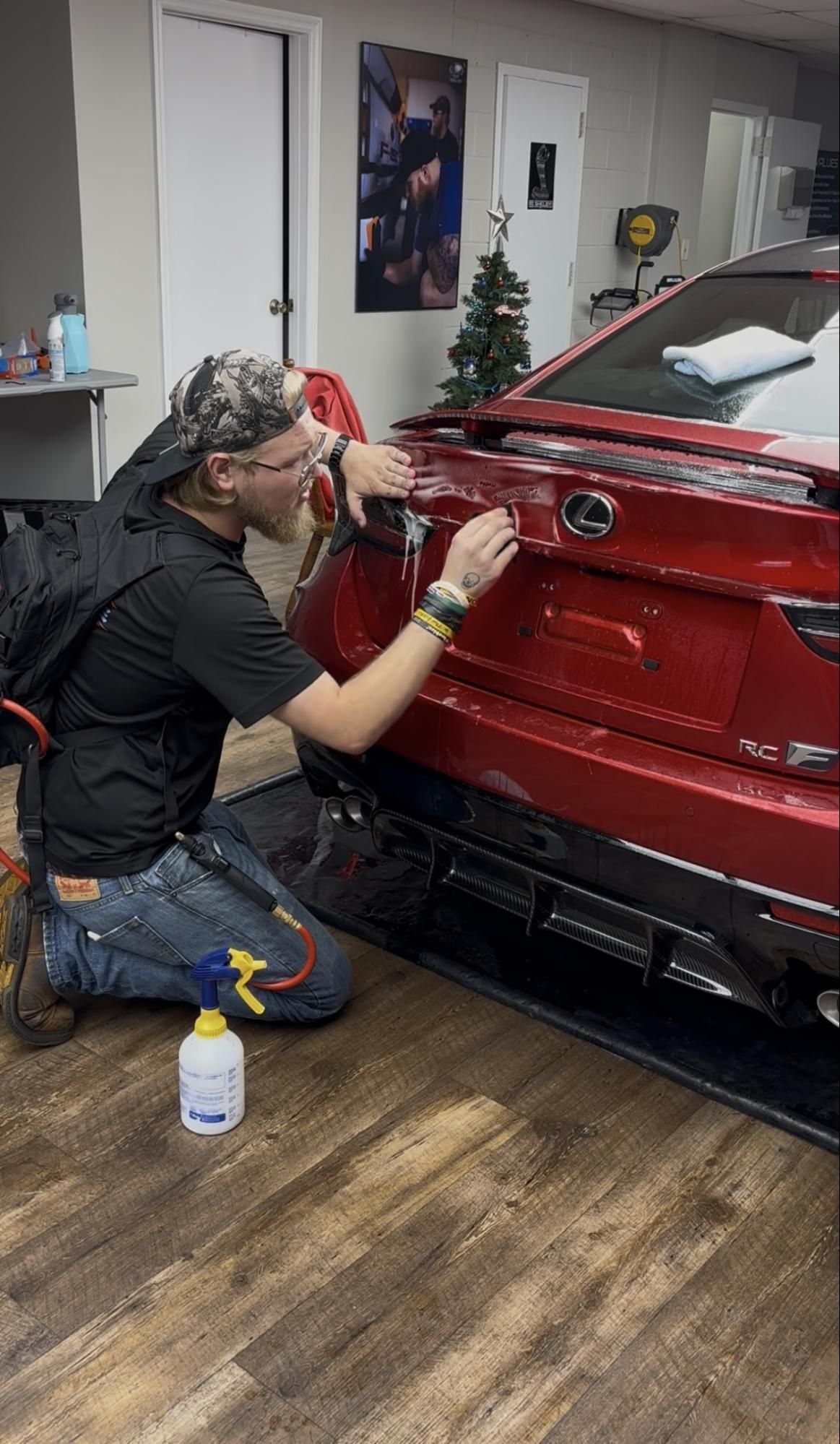
Every three months, conduct a more thorough inspection beyond regular washing.
Make it a habit to inspect the film regularly for signs of wear or lifting. Catching small problems early prevents them from becoming larger issues.
Check these areas in good lighting:
- Film edges for lifting or separation
- High-impact areas for deeper marks
- Seams and overlaps for proper adhesion
- Overall clarity and appearance
Pay particular attention to edges. If you notice edges beginning to lift, contact Upscale Detail Co LLC for a professional assessment.
Review the products you're using for PPF care. Ensure you're using specialized products made for PPFs.
Test the film's hydrophobic properties. Water should bead up and roll off the surface. If water starts sheeting instead, the film might benefit from professional maintenance or ceramic coating application.
Annual Professional Maintenance Needs
Annual professional maintenance ensures your PPF continues performing optimally.
Professional Inspection
Annual professional inspection at Upscale Detail Co LLC provides an expert assessment of your film's condition. The team identifies issues you might miss and recommends appropriate maintenance.
Professional detailers spot early signs of wear, adhesion problems, or areas needing attention. This preventive approach extends film life and stops larger problems from developing.
Deep Cleaning Service
Professional detailing provides thorough cleaning beyond what's practical for monthly home maintenance. The Upscale Detail Co LLC team professionally details your vehicle with care, ensuring proper PPF maintenance without damage from improper techniques.
Annual professional cleaning removes embedded contamination and restores the film's appearance, which is especially valuable for maintaining optimal PPF condition.
Ceramic Coating Consideration
Many people apply ceramic coating over their PPF for additional protection and easier maintenance. The coating helps keep the film cleaner and can improve its appearance.
Annual professional visits provide opportunities to discuss whether ceramic coating over your PPF makes sense for your vehicle and driving conditions.
Seasonal Maintenance Considerations
Different seasons bring specific challenges for PPF-protected vehicles.
- Summer heat activates self-healing properties naturally through sun exposure. Increased bug splatter and tree sap during warmer months require prompt removal.
- Winter conditions slow the self-healing process, but don't stop it completely. Road salt and winter debris require more frequent washing, though the film protects your paint from these corrosive elements.
Seasonal pollen creates cleaning challenges. While PPF makes contamination removal easier, frequent washing during heavy pollen periods maintains optimal appearance.
DIY vs. Professional Maintenance Guidance
Understanding which tasks you can handle and which require professional attention helps you care for your PPF effectively.
When to DIY
You can safely handle regular washing, contamination removal, and basic inspection at home. Using proper techniques and PPF-safe products, monthly maintenance is straightforward. The smooth surface PPF creates repels dirt and contaminants better than bare paint.
When to Go to a Pro
Seek professional help for edge repairs, significant damage assessment, deep cleaning services, and ceramic coating application.
If you notice edges lifting, the film appears cloudy, adhesion seems compromised, or you're unsure about proper care techniques, contact the professionals. Early professional intervention prevents larger problems and protects your investment.
Maintenance Product Recommendations
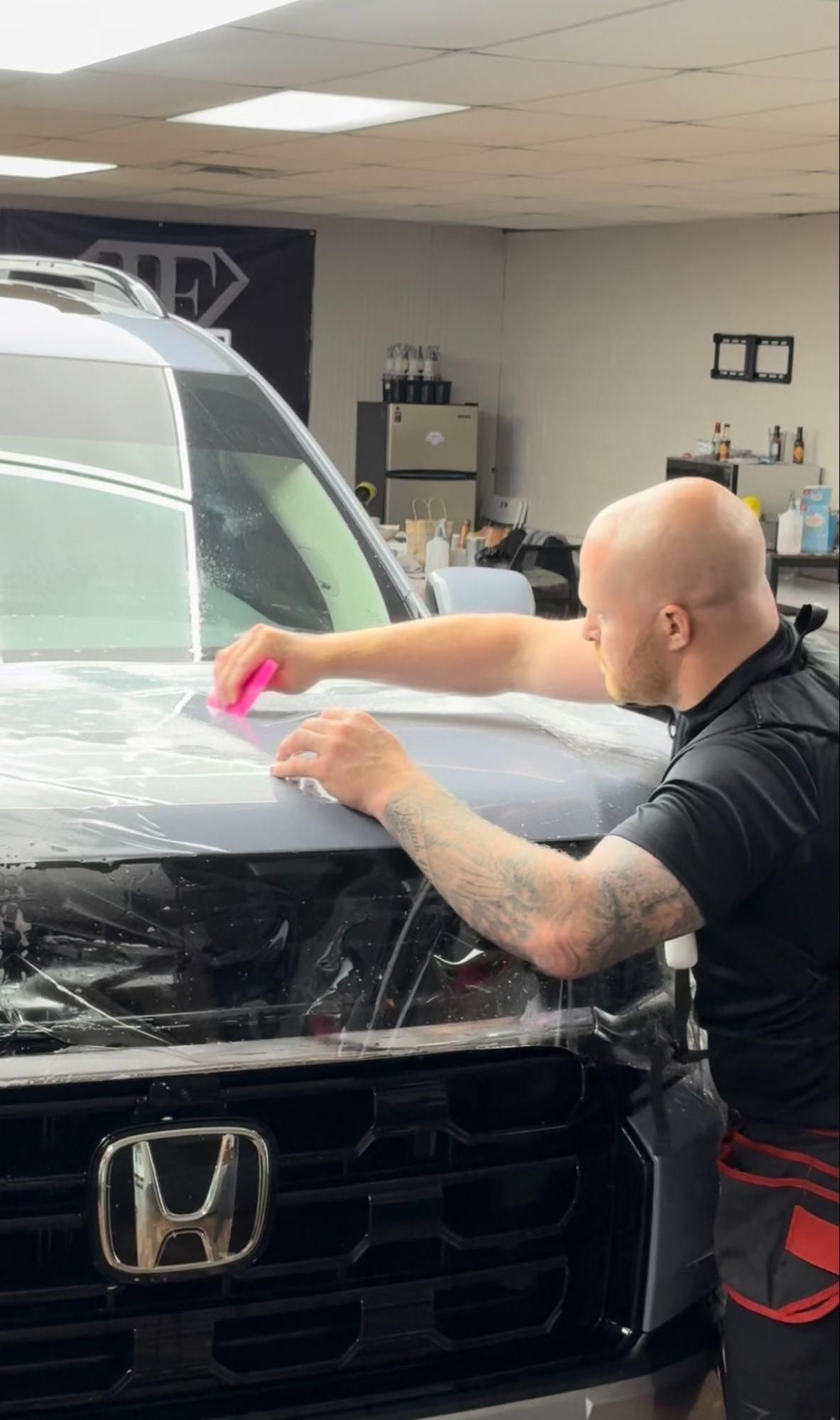
Using the right products protects your PPF during maintenance.
Safe Washing Products
pH-neutral car wash soap designed for paint protection film works best. These formulas clean effectively without harsh chemicals that could damage the film.
Avoid automatic car washes, especially soft-touch facilities. These services accelerate film wear and shorten its lifespan.
Cleaning Tools
Soft sponges and microfiber cloths provide safe cleaning. Avoid abrasive materials or stiff brushes that could mark the film surface.
Quality PPF has self-healing properties that work with heat, so minor surface marks disappear on their own. Using gentle tools prevents creating marks that exceed the film's self-healing capabilities.
What to Avoid
Don't use products with gloss enhancers, waxes, or harsh chemicals unless specifically formulated for PPF. Traditional car care products might not be compatible with film surfaces.
Avoid aggressive scrubbing or techniques that create excessive friction. The film's smooth surface requires minimal effort for effective cleaning.
Maintaining Your Investment
Proper maintenance protects your PPF investment and ensures maximum longevity. Quality PPF typically lasts 7-10 years with proper care.
Monthly washing, quarterly inspection, and annual professional maintenance create a comprehensive care program that maximizes film performance. The maintenance effort is minimal compared to the protection benefits.
Professional Maintenance Partnership
Establishing a relationship with professional detailers ensures your PPF receives optimal care throughout its life.
The team at Upscale Detail Co LLC provides expert maintenance guidance specific to your protection system. Professional support helps you navigate questions about care techniques, product selection, and maintenance scheduling.
Schedule professional maintenance and receive guidance tailored to your PPF maintenance schedule guide needs and driving conditions.
Frequently Asked Questions
How often should I wash my PPF-protected vehicle?
Wash your PPF-protected vehicle monthly at a minimum, or more frequently if exposed to heavy contamination like bug splatter, bird droppings, or road grime. Regular washing prevents buildup and keeps the film functioning properly. Always use pH-neutral soap and gentle techniques.
Can I use regular car wash soap on paint protection film?
Use pH-neutral car wash soap specifically safe for PPF. While some regular soaps might work, products formulated for paint protection film ensure you're not using anything that could damage the film over time. Avoid harsh chemicals or abrasive formulations.
What should I do if I notice PPF edges lifting?
Contact professional detailers immediately if you notice edge lifting. Early intervention prevents the problem from spreading. Professional assessment determines whether simple correction works or if more extensive repair is needed. Avoid attempting complex edge repairs yourself.
Does PPF need special care in winter?
Winter care remains similar to other seasons, but cold weather slows self-healing. Continue regular washing to remove road salt and winter debris. The film protects your paint from corrosive winter elements, making regular winter cleaning especially important for long-term protection.
Should I apply ceramic coating over my paint protection film?
Many vehicle owners apply ceramic coating over PPF for enhanced protection and easier maintenance. The coating keeps the film cleaner and can improve its appearance. Discuss this option during annual professional maintenance to determine if it makes sense for your specific situation.