Winter Vehicle Storage: Protecting Your Investment During Off-Season
The first frost hits, and suddenly that collector car or luxury vehicle needs to come off the road for winter. You've invested serious money in your ride, and the last thing you want is to uncover it in spring only to find paint damage, interior issues, or other problems that developed while it sat idle.
Proper winter vehicle storage protection goes beyond just parking your car in a garage and walking away. Luxury vehicles and collector cars require thoughtful preparation to maintain their condition through months of inactivity. The good news is that with the right approach, your vehicle can emerge from storage looking just as good as the day you put it away.
Why Storage Preparation Matters for Valuable Vehicles
Sitting idle creates unique challenges for vehicles. Fluids settle. Seals dry out. Paint and interior materials face temperature fluctuations. Moisture can accumulate in unexpected places. Add winter's harsh conditions to the mix, and you've got a recipe for potential problems.
For luxury vehicles and collector cars, these issues hit harder. Paint finishes on high-end vehicles often use specialized processes that make them more susceptible to environmental damage. Interior materials like premium leather require specific conditions to stay supple. The value of these vehicles means any deterioration during storage directly affects your investment.
The difference between proper preparation and just parking the vehicle can show up in multiple ways. You might notice paint oxidation, fading, or water spotting. Interior materials could develop cracks or fade. Mechanical components might develop issues from extended inactivity. All of these problems are preventable with the right storage approach.
Pre-Storage Preparation: Setting Up for Success
Getting your vehicle ready for storage starts well before you park it for the final time. This preparation phase determines how well your vehicle weathers the storage period.
Exterior Preparation Steps:
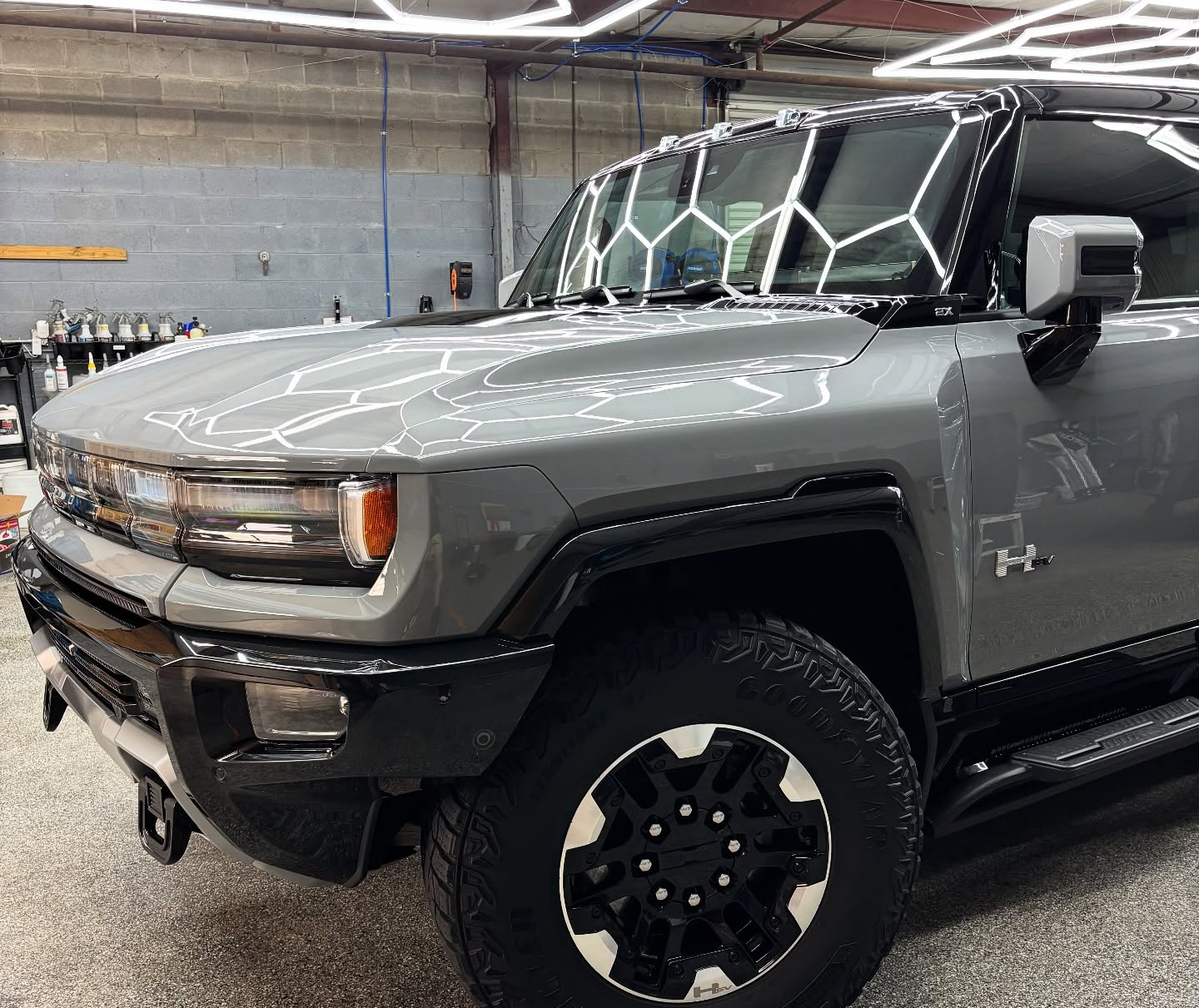
Start with a thorough cleaning to remove all contaminants. Road grime, bug splatter, bird droppings, and tree sap left on paint during storage will etch into the finish over time. Even if your vehicle looks clean, microscopic contaminants can cause problems during extended storage.
Consider having professional exterior detailing performed before storage. This goes beyond a regular wash to include clay bar decontamination that removes embedded particles that regular washing misses. These particles can cause oxidation and staining when left to sit for months.
If your paint has any existing defects like swirl marks, minor surface imperfections, or oxidation, addressing them before storage makes sense. Paint correction removes these issues and creates a perfect surface for protection. Once corrected, that restored finish stays protected throughout storage rather than continuing to degrade.
Interior Preparation:
The inside of your vehicle needs attention, too. Remove all food items, trash, and unnecessary belongings. Even small food particles can attract pests during storage. Vacuum thoroughly, paying attention to seats, carpets, and hard-to-reach areas.
Leather and premium materials benefit from proper conditioning before storage. This keeps materials supple and prevents cracking during temperature fluctuations. Interior detailing addresses these concerns comprehensively, treating all surfaces appropriately for extended storage.
Protection Installation: Your Best Defense
Clean paint is good. Protected paint is better. Installing quality protection before storage provides a barrier against environmental factors that affect parked vehicles.
Ceramic Coating Benefits for Storage:
Ceramic coating creates a semi-permanent protective layer that bonds with your paint at a molecular level. For vehicles going into storage, this protection serves multiple important functions.
The hydrophobic properties repel moisture, preventing water spots and mineral deposits from developing if any humidity accumulates in your storage space. The chemical resistance helps protect against dust, airborne contaminants, and anything else that might settle on the vehicle during storage. The UV protection prevents fading and oxidation, which can occur even in covered storage from ambient light exposure.
Perhaps most importantly for storage situations, ceramic coating makes spring preparation easier. When you're ready to bring the vehicle out, contaminants and dust wash off effortlessly rather than bonding to bare paint.
Paint Protection Film Considerations:
For vehicles with particularly valuable or rare paint finishes, paint protection film adds physical protection beyond what ceramic coating provides. While PPF primarily protects against road debris during driving, it also creates a barrier during storage.
The self-healing properties of quality PPF mean that minor surface marks that might occur during storage (from covers, dust accumulation, or light contact) can disappear with heat. The film also provides an additional layer between environmental factors and your actual paint.
Many collectors choose to install both PPF and ceramic coating for maximum protection. The PPF handles physical protection, while the ceramic coating goes over top, providing chemical resistance and hydrophobic properties. This combination offers the most comprehensive protection available for stored vehicles.
Storage Environment: Creating Ideal Conditions
Where you store your vehicle matters just as much as how you prepare it. The ideal storage environment maintains stable conditions that prevent deterioration.
Temperature and Humidity Control:
Stable temperatures prevent the expansion and contraction that stresses paint, seals, and interior materials. While heated storage is ideal, it's not always necessary. The key is avoiding dramatic temperature swings.
Humidity control is even more critical. Excessive moisture leads to rust, mildew, interior odors, and paint damage. Proper humidity levels are essential for optimal vehicle storage. Too dry can crack leather and rubber components. Too much humidity creates the moisture problems mentioned above.
If your storage space lacks climate control, consider using a high-quality dehumidifier. Small portable units work well for single-vehicle storage and prevent the moisture accumulation that causes problems.
Cover or No Cover:
This decision depends on your storage environment. In a clean, climate-controlled space, covers aren't necessary and might trap moisture against the paint. In spaces where dust accumulation is unavoidable, a breathable car cover protects the finish.
If using a cover, choose one specifically designed for vehicle storage. Regular tarps trap moisture and can damage paint. Quality covers breathe while blocking dust and light exposure.
Periodic Maintenance During Storage
Set-it-and-forget-it doesn't work for valuable vehicles in storage. Periodic checks and minor maintenance prevent issues from developing unnoticed.
Periodic Check-Ins:
Visit your stored vehicle regularly if possible. Look for any signs of moisture accumulation, pest activity, or developing issues. Check tire pressure and add air if needed to prevent flat spots. Verify the cover (if using one) remains properly positioned without touching the paint.
These periodic visits also give you opportunities to start the vehicle briefly and let it run to operating temperature. This circulates fluids, charges the battery, and prevents seals from drying out. Just avoid short run times that don't reach full operating temperature, as this can introduce moisture into the oil system.
Battery Maintenance:
Battery care during storage helps prevent drainage issues. Modern vehicles with computer systems can drain batteries even when parked. A dead battery isn't just inconvenient; it can affect the battery's long-term health.
Spring Preparation: Bringing Your Vehicle Back
When storage season ends, proper preparation ensures your first drive is as enjoyable as your last one before storage.
Start by inspecting the entire vehicle. Look for any issues that developed during storage. Check fluid levels, tire pressure, and battery charge. Remove any covers or storage materials.
Give the exterior a thorough wash to remove dust and contaminants that accumulated. If you installed ceramic coating before storage, this wash will be remarkably easy. The contaminants that built up over months will rinse away without aggressive scrubbing.
Consider a professional detail to bring everything back to show-ready condition. This post-storage detail ensures you start the driving season with your vehicle looking its absolute best.
Making Smart Storage Decisions
Not everyone has access to ideal storage facilities. Some people work with basic garages. Others use outdoor covers. The key is making the best decisions possible with what you have available.
If your storage situation isn't ideal, focus on the preparation steps you can control. Proper cleaning, paint protection, and interior care matter even more when the storage environment is less than perfect. These protective measures compensate for environmental limitations.
For vehicles of significant value, professional storage facilities might justify the cost. These specialized facilities maintain optimal conditions and provide professional oversight. When your vehicle represents a substantial investment, professional storage provides peace of mind.
Ready to Prepare Your Vehicle for Storage
Protecting your luxury or collector vehicle during winter storage doesn't have to be complicated, but it does require the right approach. Proper preparation, quality protection, and appropriate storage conditions keep your investment in pristine condition through months of inactivity.
The certified team at Upscale Detail Co LLC specializes in preparing vehicles for storage. From comprehensive detailing packages to professional ceramic coating installation, they provide the services that ensure your vehicle emerges from storage in perfect condition.
Don't wait until the first snow falls to think about storage. Schedule a consultation to discuss your winter vehicle storage protection needs and create a preparation plan that protects your investment properly.
Frequently Asked Questions
When should I start preparing my vehicle for winter storage?
Begin preparation well in advance of your planned storage date. This gives you time to address any issues discovered during inspection and schedule professional services like paint correction or ceramic coating installation. Rushing preparation increases the chances of missing important steps that protect your investment during storage.
Do I need ceramic coating if my vehicle stays in a garage?
Yes, ceramic coating provides benefits even in garage storage. The protection prevents dust from bonding to paint, blocks UV exposure from ambient light, and creates a moisture-resistant barrier. When you remove the vehicle from storage, the ceramic coating makes cleaning significantly easier. The long-lasting nature of ceramic coating means this single application protects through multiple storage seasons.
How often should I start my vehicle during storage?
Starting frequency depends on storage duration and conditions. Starting the vehicle periodically and letting it reach full operating temperature helps maintain mechanical components and prevents fluid degradation. Avoid short run times, as these don't allow the engine to fully warm and can introduce moisture into the system.
Can paint protection film prevent storage-related paint damage?
Paint protection film provides physical and environmental protection during storage. The film blocks dust, moisture, and light exposure from affecting your paint. The self-healing properties mean any minor contact during storage won't leave permanent marks. For valuable paint finishes, PPF combined with ceramic coating offers maximum storage protection.
What should I do if I discover moisture in my storage space?
Address moisture issues immediately to prevent long-term damage. Install a dehumidifier to control humidity levels. Improve ventilation if possible. Check your vehicle for any moisture accumulation, especially in the interior and trunk. If moisture has affected the vehicle, professional interior detailing can address odors and prevent mildew development before it becomes a bigger problem.