What a 9H Ceramic Coating Rating Really Means for Your Vehicle
You've seen the number everywhere. Every ceramic coating advertisement seems to mention it. The 9H ceramic coating rating gets thrown around like it's the ultimate measure of quality, but most vehicle owners have no idea what the number actually means. And honestly, a lot of the marketing around it doesn't help clear things up.
The 9H rating refers to a pencil hardness test, not some proprietary scale invented by coating manufacturers. Understanding what this test actually measures helps you cut through the marketing and make a more informed decision about protecting your vehicle's finish.
The Pencil Hardness Scale Explained
The 9H in 9H ceramic coating comes from a standardized test originally designed for industrial coatings. The test uses pencils of varying hardness, ranging from 9B (softest) through HB (middle) to 9H (hardest). A technician draws each pencil across the coated surface at a specific angle and pressure, and the rating is determined by which pencil grade first leaves a visible mark.
When a coating achieves a 9H rating, it resisted marking from all pencils up to and including 9H. That's the highest grade on the scale. Here's the important part most advertisements skip: this test measures surface hardness against a specific type of abrasion. It does not tell you the whole story about protection.
What Hardness Does and Does Not Mean
A 9H ceramic coating rating indicates resistance to certain types of surface contact. The coating is hard enough to resist marking from standardized pencil leads under controlled conditions. This translates to some real-world benefits for your vehicle's finish.
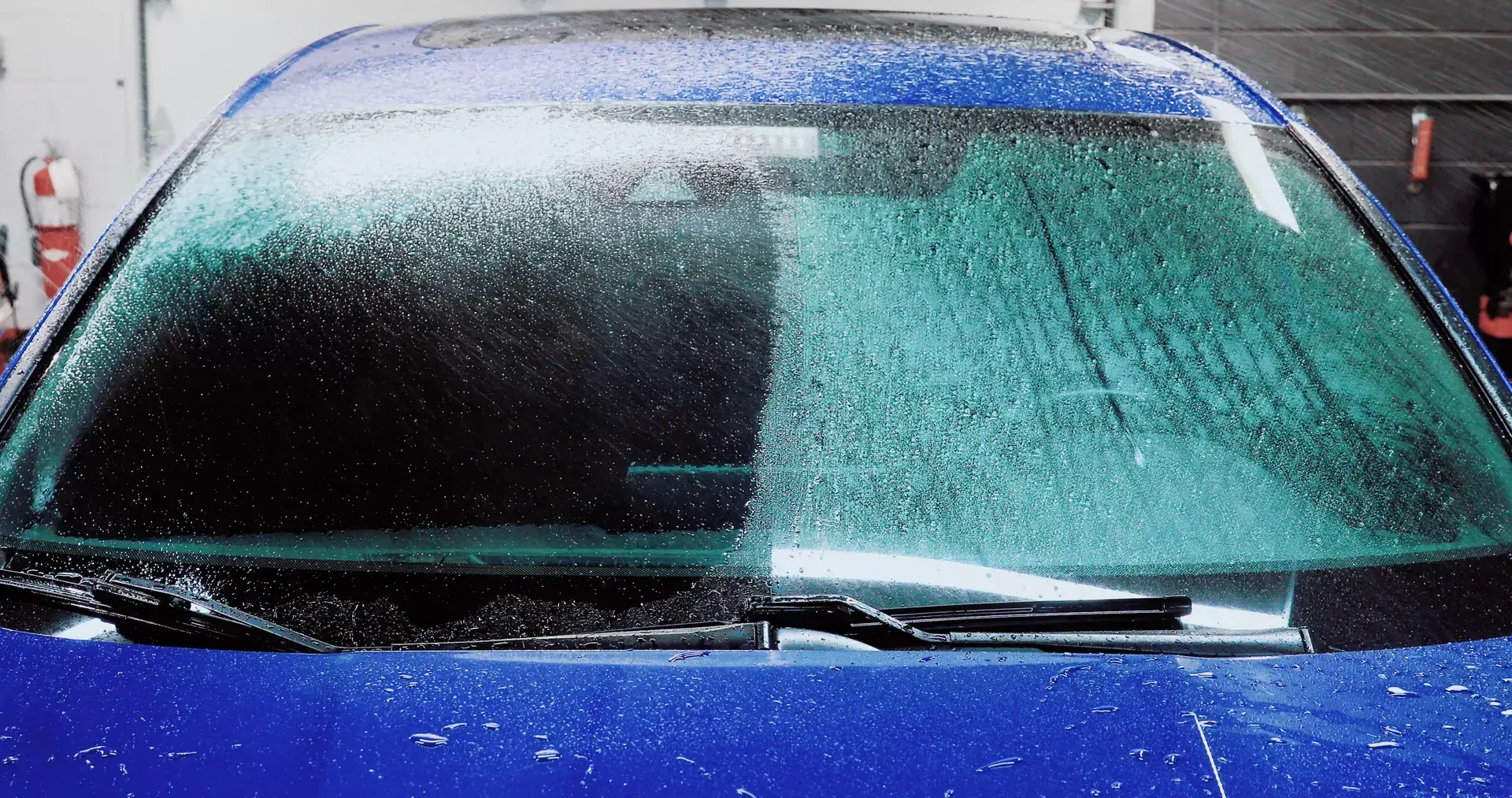
However, hardness is just one property among many. A ceramic coating is a silica-based formula that hardens around your vehicle's exterior. It starts in liquid form and cures into a hard surface after application. The formulas professional shops install combine hydrophobicity with a rich, glossy shine that enhances both protection and appearance.
What the hardness rating doesn't measure includes flexibility, chemical resistance, UV protection, or hydrophobic properties. A coating could theoretically achieve a high hardness rating while lacking in other important areas. The 9H number alone doesn't guarantee a quality product.
The Common Misreading of 9H Ratings
Many vehicle owners assume that 9H ceramic coating means the coating is as hard as diamonds or that their paint becomes impervious to damage. Neither is accurate.
The pencil hardness scale was not designed to compare automotive coatings to other materials. A 9H rating does not mean the coating is "9 times harder" than anything else. It simply means the coating passed a specific test at the highest pencil grade available.
Professional ceramic coatings protect against water, dirt, and grime, along with UV rays. They are still prone to surface damage and are not self-healing. If you want protection against physical defects, paint protection film offers different capabilities. Understanding this distinction helps you set realistic expectations.
What Actually Matters in a Ceramic Coating
When evaluating a ceramic coating, the hardness rating is just one data point. Several other factors determine how well the coating will perform on your vehicle.
The coating's composition matters significantly. Professional ceramic coatings are usually rich in silicon dioxide, which is derived from quartz. This component adds to the glossiness of the finish while making it resilient against harsh conditions. The coating bonds at the molecular level with your factory paint, forming a semi-permanent barrier that can withstand various environmental challenges.
Unlike traditional waxes or sealants that merely sit on top of the surface, quality ceramic coatings penetrate the clear coat. This creates protection that lasts significantly longer. Professional coatings can last 2 to 5 years with proper care.
Hydrophobic properties matter too. A coating that causes water to bead and contaminants to slide off makes maintenance significantly easier. This is one area where quality coatings consistently deliver real-world benefits that owners notice every time they wash their vehicle.
Why Application Quality Affects Results
Even the best 9H ceramic coating product can fail if applied incorrectly. The coating's performance depends heavily on surface preparation and application technique.
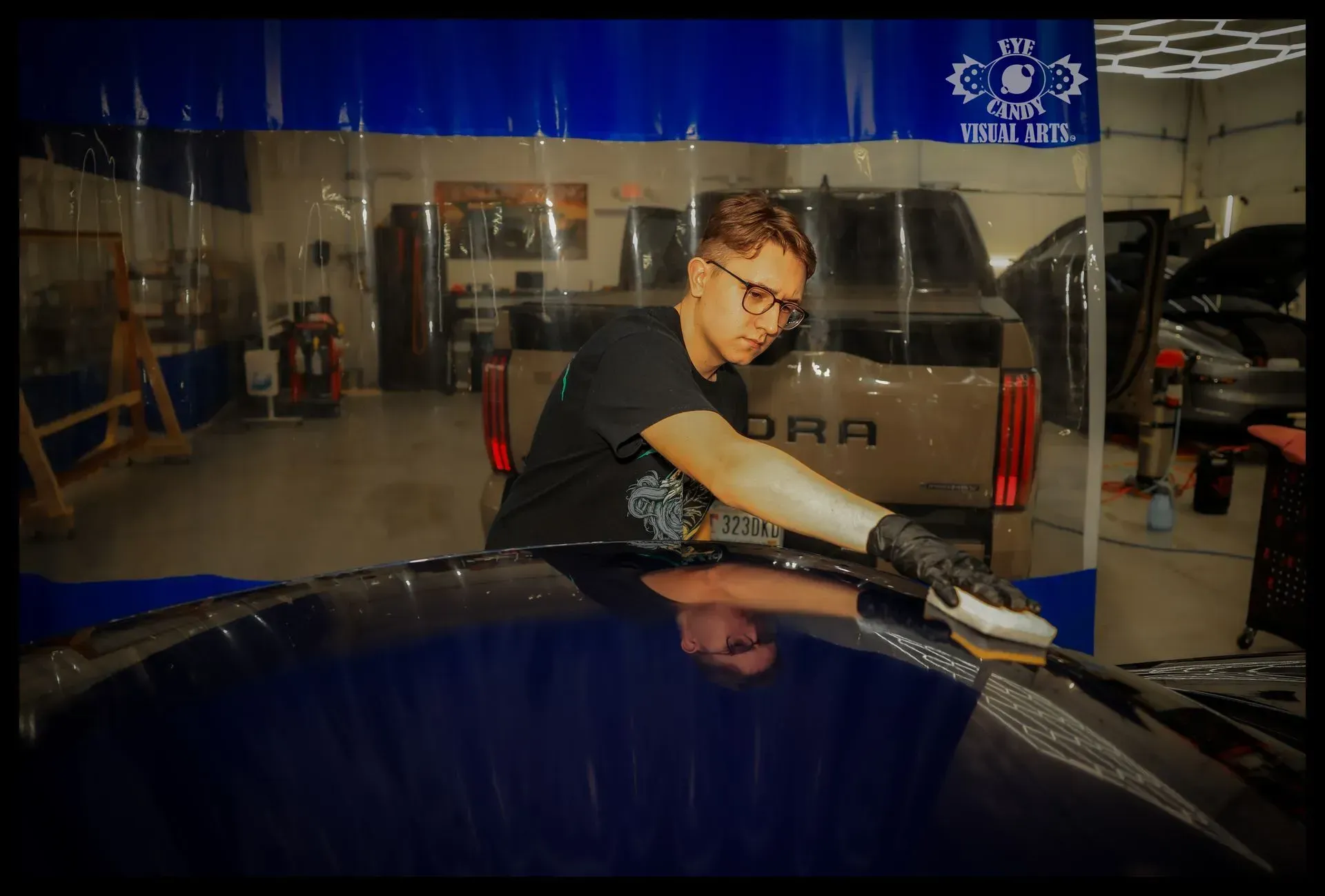
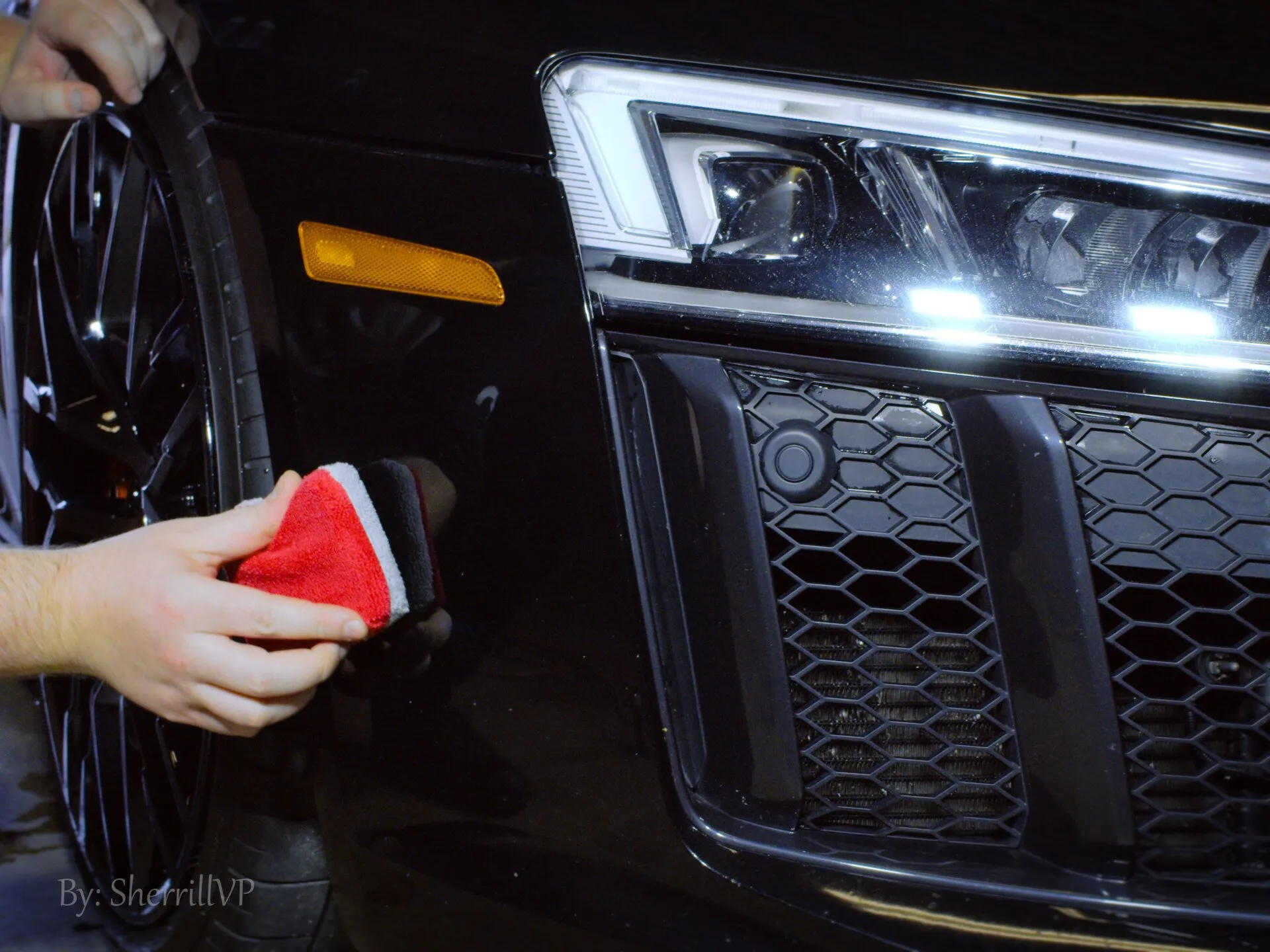
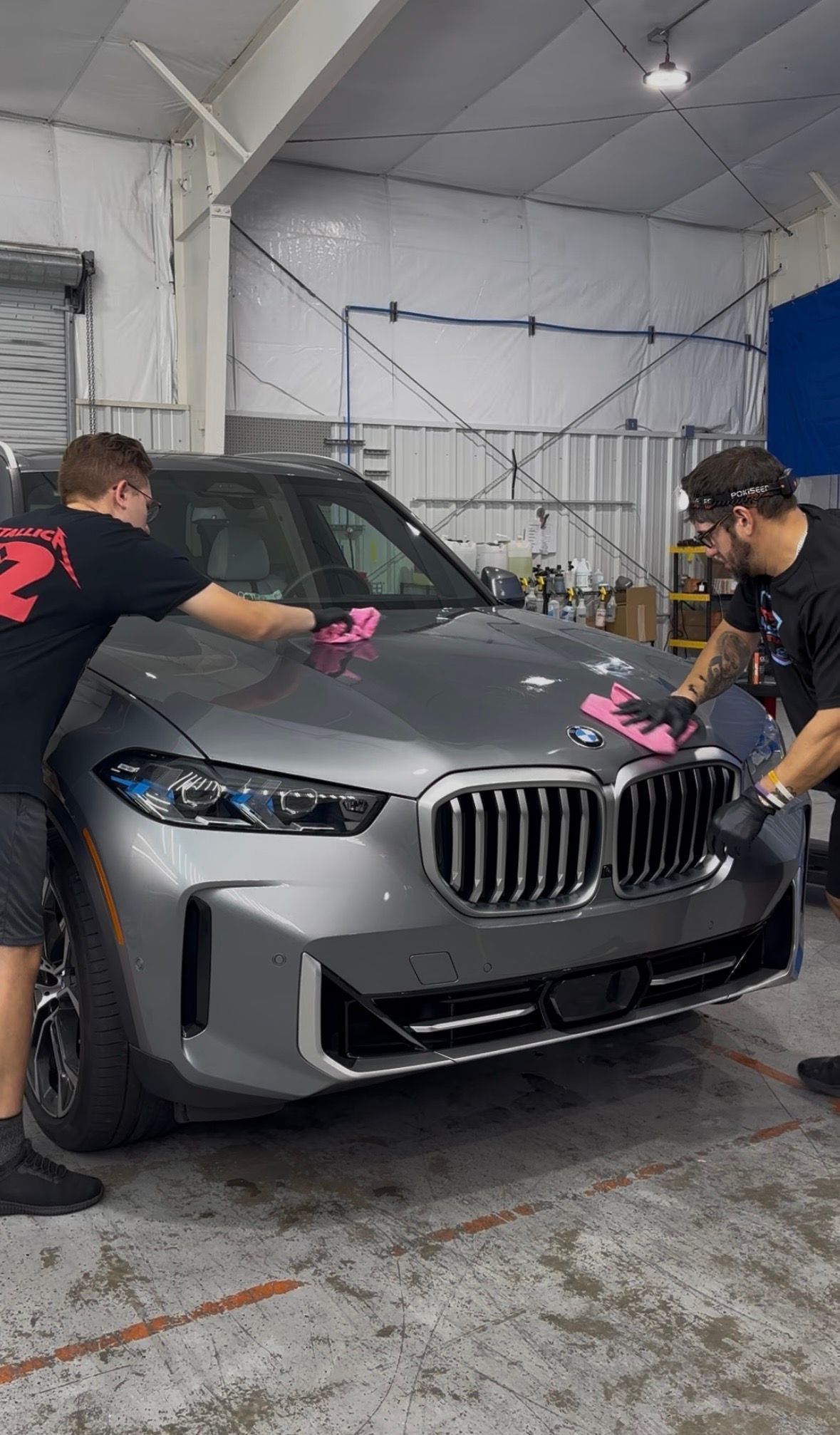
Professional installation begins with a complete exterior wash and clay-bar decontamination. Professional detailers get rid of any surface dirt or grime while taking notice of any defects that need correcting. Paint correction addresses these issues before coating application, preventing them from becoming locked under the ceramic layer.
The coating is then hand-applied by trained technicians, allowing for quality assurance and complete coverage. After application, the coating cures in a controlled environment free from dust and debris. DIY applications often skip these steps, which can result in coatings that fail to deliver on their rated performance.
Judging Coating Claims Realistically
When you see 9H ceramic coating in marketing, treat it as useful information rather than the complete picture. The rating tells you the coating passed a standardized hardness test. It does not tell you about longevity, chemical resistance, UV protection, application requirements, or how the coating will actually perform on your specific vehicle.
Look for coatings backed by professional application and clear maintenance requirements. Ask about the actual protection offered against the conditions your vehicle faces.
At
Upscale Detail Co LLC, the team brings industry certifications and hands-on expertise developed through years of specialized training. They can explain what specific coatings offer and help match protection to your vehicle's needs.
Making an Informed Decision
Understanding what 9H ceramic coating actually means puts you in a better position to evaluate products and services. The hardness rating is legitimate, but it's just one measure among many that determine coating quality.
A professional ceramic coating protects your vehicle through a combination of properties: hardness, hydrophobicity, UV resistance, and durability. The best coatings from Upscale Detail Co LLC excel across all these areas, not just one. And the best results come from professional application that ensures the coating bonds properly with your paint.
Contact the team at Upscale Detail Co LLC to discuss ceramic coating options. Understanding the real meaning behind the ratings helps you choose protection that actually delivers on its promises.
Frequently Ask Questions
What does the 9H in ceramic coating actually measure
The 9H rating comes from a pencil hardness test that measures resistance to surface marking. Pencils ranging from 9B (softest) to 9H (hardest) are drawn across the coating. A 9H rating means the coating resisted marking from all pencil grades on the scale.
Does a 9H rating mean my paint cannot be damaged
No. The 9H rating measures one specific type of surface hardness under controlled conditions. Ceramic coatings still remain prone to surface damage and are not self-healing. The rating does not make your paint impervious to all forms of contact or damage.
Is 9H the highest possible ceramic coating rating
Yes, 9H is the highest grade on the pencil hardness scale used for this test. However, achieving 9H does not automatically mean a coating is superior in all other properties like longevity, chemical resistance, or hydrophobicity.
Why do all ceramic coating brands claim 9H ratings
The pencil hardness test is an industry standard, and most professional-grade ceramic coatings do achieve 9H ratings. The rating has become a baseline expectation rather than a differentiator. Other factors like composition, longevity, and application quality matter more for comparing products.
Should I choose a coating based only on hardness rating
No. Hardness is one property among many. Consider the coating's composition, longevity, hydrophobic properties, UV protection, and whether professional application is available. A coating that excels in all areas will protect your vehicle better than one that only achieves a high hardness number.