Eco-Friendly Paint Protection Options: Sustainable Guide
You care about your vehicle's appearance, but you also care about the planet. That's not a contradiction – it's a reality for many luxury car owners who've made environmental consciousness a priority in every aspect of their lives. The question isn't whether to protect your vehicle, but how to do it in a way that aligns with your values.
Understanding eco-friendly paint protection options means looking beyond marketing claims about "green" products and examining the actual environmental impact of different protection choices. From manufacturing processes to product lifespan to end-of-life disposal, every protection decision has environmental implications worth considering.
The automotive protection industry is evolving, with increasing attention to sustainability, reduced environmental impact, and responsible material choices. Let's explore the environmental factors that matter and how to make informed decisions about protecting your vehicle while honoring your commitment to environmental stewardship.
Understanding Environmental Impact in Paint Protection
When evaluating eco-friendly paint protection options, the environmental picture includes more factors than most people initially consider. A truly sustainable approach requires examining the entire lifecycle, not just one aspect.
Manufacturing impact represents the first environmental consideration. How protection materials are produced, what chemicals are used, energy consumption during production, and waste generated all contribute to the overall environmental footprint.
Product longevity matters significantly. A protection solution that lasts several years has less environmental impact than one requiring frequent replacement, even if the longer-lasting option requires more resources to manufacture. Durability isn't just about value – it's about reducing overall consumption.
Application and installation processes create environmental impact through solvents, cleaning agents, and waste materials. Some installation methods generate more waste and use more aggressive chemicals than others.
End-of-life disposal or recycling options determine what happens when protection reaches the end of its useful life. Can materials be recycled? Do they break down naturally? What waste do they create when removed?
Transportation and distribution add a carbon footprint to any product. Locally manufactured protection options may have environmental advantages over products shipped internationally, though this depends on many factors, including production methods.
Material Choices and Environmental Considerations
Different eco-friendly paint protection options vary significantly in their material composition and environmental impact. Understanding these differences helps inform more sustainable choices.
Ceramic Coating Materials: Many ceramic coatings use silicon dioxide-based chemistry that's relatively stable and doesn't contain heavy metals or highly toxic compounds. The application process typically uses alcohol-based carriers that evaporate during curing, though these still contribute to volatile organic compound (VOC) emissions.
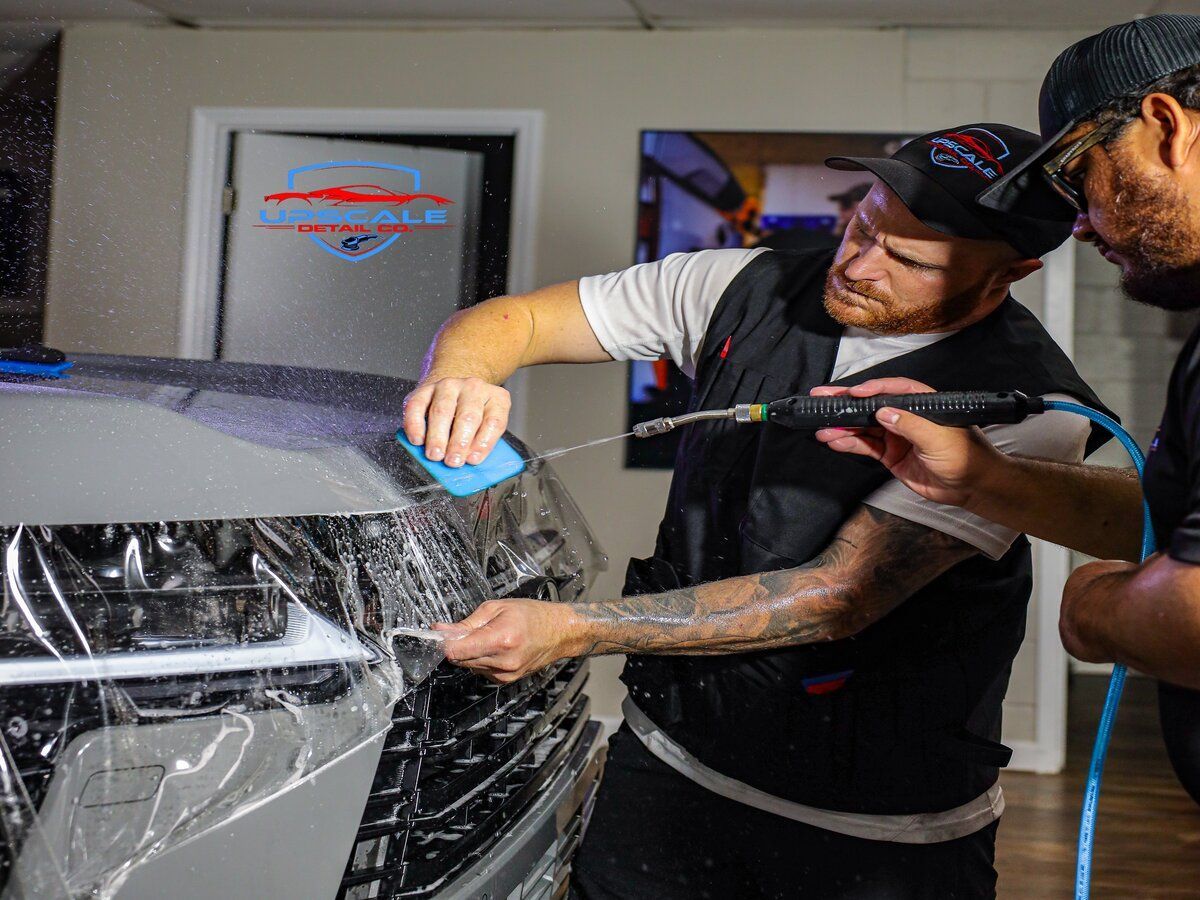
Paint Protection Film Materials: Modern PPF typically uses thermoplastic urethane, which is a petroleum-based product. However, the durability of quality PPF means years of protection from a single application, potentially offsetting the initial environmental cost through longevity.
Water-Based vs. Solvent-Based Products: Water-based formulations generally have lower VOC content than solvent-based alternatives, reducing air quality impact during application. However, performance characteristics differ, so environmental benefit needs to be balanced with effectiveness and longevity.
Recycled Content: Some manufacturers are incorporating recycled materials into protection products, though this is still relatively uncommon in the automotive protection industry. As technology advances, recycled content options may become more available.
The environmental impact of materials isn't always obvious. A "natural" product isn't automatically more environmentally friendly than a synthetic one if it requires more frequent replacement or uses more resources during production.
Installation Practices and Environmental Impact
The process of applying eco-friendly paint protection options creates environmental impact through various means. Installation practices can either minimize or amplify this impact.
Chemical Usage: Surface preparation requires cleaning and decontamination using various chemicals. Some products and methods use less aggressive, more environmentally friendly chemicals than others. pH-neutral, biodegradable cleaning products reduce environmental impact compared to harsh solvents.
Water Consumption: Proper surface preparation and installation require water use. Efficient practices that minimize water waste while maintaining quality results reduce environmental impact. Some installation methods require more water than others.
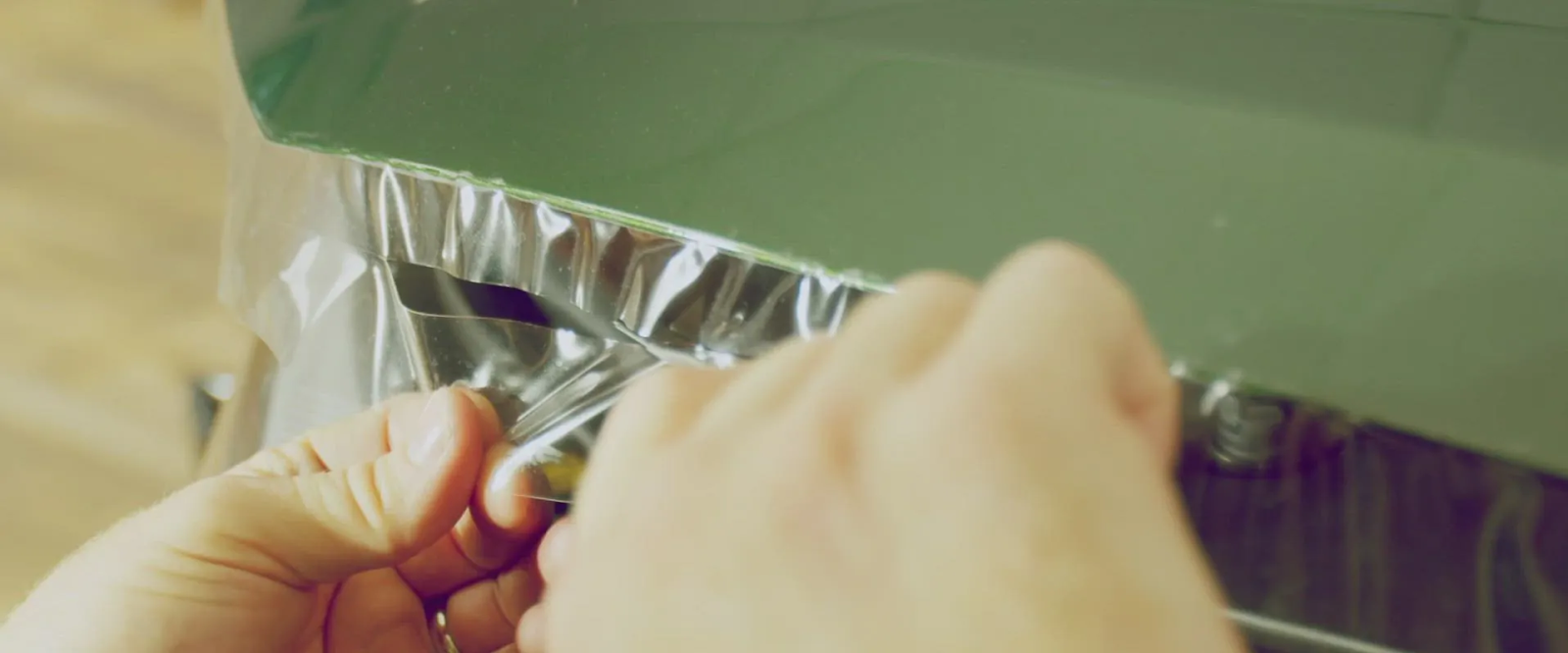
Waste Generation: Film installation creates waste from trimmed material, used application solutions, and packaging. The amount of waste varies based on installation method, product type, and installer practices. Minimizing waste through precise cutting and efficient material use reduces environmental impact.
Energy Consumption: Climate-controlled installation environments, lighting, and equipment all consume energy. While this is necessary for quality results, energy-efficient practices and equipment reduce the environmental footprint.
VOC Emissions: Some products release volatile organic compounds during application and curing. Low-VOC or VOC-free options reduce air quality impact, though performance characteristics need to meet protection requirements.
Product Lifecycle and Longevity Considerations
The lifespan of eco-friendly paint protection options significantly impacts their overall environmental footprint. Longer-lasting protection reduces the frequency of reapplication and associated environmental costs.
Durability Benefits: Protection that lasts 5-7 years has significantly less environmental impact per year of protection than options requiring annual reapplication. Manufacturing, transportation, application, and disposal all occur less frequently with longer-lasting options.
Maintenance Requirements: Protection requiring frequent maintenance products or special care creates an ongoing environmental impact. Low-maintenance options that clean easily with standard products reduce long-term environmental cost.
Degradation Patterns: How protection degrades over time matters environmentally. Materials that break down gradually and safely have less environmental impact than those requiring aggressive removal processes or creating problematic waste.
Performance Retention: Protection that maintains effectiveness throughout its rated lifespan provides better value and less environmental impact than options that degrade rapidly and require early replacement.
The environmental benefit of durable protection extends beyond just the product itself. Protected paint maintains better condition, potentially reducing the need for paint correction, repainting, or other interventions that have their own environmental costs.
Disposal and End-of-Life Considerations
What happens when eco-friendly paint protection options reach the end of their useful life significantly impacts their overall environmental footprint. Disposal and recycling options vary considerably between protection types.
Paint Protection Film Removal: PPF generates waste when removed, typically consisting of the film itself and adhesive residue. Most thermoplastic urethane films currently end up in landfills, as recycling infrastructure for these materials is limited. The removal process also requires chemicals and produces contaminated waste materials.
Ceramic Coating Removal: Removing ceramic coatings typically requires polishing away the coating along with a small amount of clear coat. This process generates waste slurry containing coating material, clear coat, and polishing compounds. Proper disposal of this waste is important to prevent environmental contamination.
Recycling Possibilities: Currently, recycling options for automotive protection materials are limited. Some manufacturers are exploring recycling programs, but widespread infrastructure doesn't yet exist. As environmental awareness grows, recycling options may improve.
Biodegradability: Most current protection materials don't biodegrade readily in natural environments. This is actually by design – we want protection to be durable and resist environmental breakdown. However, it creates disposal challenges at the end of life.
Responsible disposal requires following local regulations for automotive chemicals and materials. Simply discarding protective waste without proper handling can create environmental problems.
Sustainable Maintenance Practices
How you maintain protected surfaces affects the ongoing environmental impact of your eco-friendly paint protection options. Maintenance practices can either minimize or increase the environmental footprint over time.
Product Selection: Choose pH-neutral, biodegradable maintenance products designed for protected surfaces. These products effectively clean while reducing water contamination and environmental impact compared to harsh chemicals.
Water Conservation: Efficient washing techniques that minimize water use while maintaining effectiveness reduce environmental impact. Targeted cleaning of contaminated areas rather than full washes when unnecessary conserves resources.
Frequency Optimization: Washing only as often as actually needed, rather than on a fixed schedule, reduces unnecessary resource consumption. Protected surfaces often stay cleaner longer and require less frequent washing than unprotected paint.
Waste Minimization: Reusable wash materials, microfiber towels that last through hundreds of uses, and concentrated products that reduce packaging waste all contribute to more sustainable maintenance practices.
Chemical Avoidance: Protected surfaces often require less aggressive cleaning than unprotected paint because contamination doesn't bond as strongly. This allows for gentler, more environmentally friendly cleaning methods.
The environmental impact of maintenance over the life of the protection can equal or exceed the impact of the protection itself. Sustainable maintenance practices matter as much as the initial protection choice.
Making Informed Environmental Choices
Evaluating eco-friendly paint protection options requires balancing multiple factors rather than focusing on a single environmental metric. No option is perfectly environmentally neutral, but some choices have significantly less impact than others.
Longevity vs. Initial Impact: A protection option with a higher initial environmental cost but lasting significantly longer may have a lower overall impact than a "greener" option requiring frequent replacement. Total lifecycle impact matters more than just manufacturing impact.
Performance Requirements: Environmental considerations need to be balanced with actual protection needs. A more environmentally friendly option that doesn't adequately protect your vehicle and requires earlier replacement may have a worse overall impact than a more effective solution.
Local Availability: Choosing protection options available locally rather than requiring long-distance shipping reduces transportation-related environmental impact. However, this needs to be balanced against product quality and longevity.
Manufacturer Practices: Some manufacturers prioritize environmental responsibility in their operations more than others. Company environmental policies, sustainable manufacturing practices, and commitment to reducing impact all factor into the overall environmental picture.
Professional Application: While DIY might seem more environmentally friendly by eliminating transportation to a shop, professional installation typically generates less waste through efficient material use and proper disposal practices. Professionals also use products and methods that home users may not have access to.
The Reality of Environmental Trade-offs
Understanding eco-friendly paint protection options requires accepting that all choices involve environmental trade-offs. Perfect environmental neutrality isn't currently achievable in automotive protection, but informed choices can minimize impact.
Protection vs. No Protection: Protecting your vehicle has environmental benefits through maintaining paint condition and potentially extending vehicle lifespan. Paint damage requiring correction or repainting has a significant environmental impact that protection helps prevent.
Quality vs. Quantity: One high-quality, long-lasting protection application has less environmental impact than multiple applications of lower-quality products over the same time period. Initial cost and environmental impact need to be evaluated against the total lifecycle impact.
Effectiveness Requirements: Protection that doesn't effectively protect leads to more environmental impact through damage requiring repair. Effective protection, even if not the absolute most environmentally friendly option, may have the best overall environmental outcome.
The environmental impact of vehicle ownership extends far beyond protection choices. Driving habits, vehicle efficiency, and maintenance practices all create a larger environmental impact than protection decisions. However, making more sustainable protection choices contributes to overall environmental responsibility.
Ready to discuss protection options that align with your environmental values? Contact us to explore ceramic coating and paint protection film choices that balance effectiveness with environmental considerations.
Frequently Asked Questions
What are the most eco-friendly paint protection options currently available?
No protection option is completely environmentally neutral, but some choices have a lower impact than others. Long-lasting ceramic coatings and paint protection films that provide years of protection reduce environmental impact compared to options requiring frequent reapplication. Water-based products with lower VOC content reduce air quality impact during application. The most environmentally responsible choice often depends on balancing product longevity, application practices, and maintenance requirements over the protection's entire lifecycle.
Does paint protection film have a significant environmental impact?
PPF is a petroleum-based product, which does have environmental considerations. However, quality PPF lasting 7-10 years means one application provides years of protection, potentially making the per-year environmental impact lower than alternatives requiring frequent reapplication. The main environmental concerns are manufacturing impact, disposal at the end of life, and chemicals used during installation. Currently, recycling options for used PPF are limited, meaning most end up in landfills after removal.
Are ceramic coatings more environmentally friendly than paint protection film?
Both options have environmental trade-offs rather than one being clearly superior. Ceramic coatings typically use silicon-based chemistry that's relatively stable, but the application involves VOC-emitting solvents. PPF is petroleum-based but extremely durable. The environmental comparison depends on factors including product lifespan, maintenance requirements, application practices, and end-of-life disposal. Total lifecycle impact matters more than just manufacturing or material considerations.
How can I minimize environmental impact while maintaining my protected vehicle?
Use pH-neutral, biodegradable cleaning products designed for protected surfaces. Wash only as frequently as actually needed rather than on a fixed schedule. Use efficient washing techniques that minimize water consumption. Choose reusable cleaning materials like quality microfiber towels rather than disposable products. Protected surfaces typically require less aggressive cleaning than unprotected paint, allowing for gentler, more environmentally friendly maintenance approaches throughout the protection's lifespan.
What happens to paint protection materials at the end of life?
Most current protection materials have limited end-of-life recycling options. PPF typically goes to landfills after removal, as specialized recycling infrastructure doesn't widely exist. Ceramic coating removal generates waste slurry containing coating material, clear coat, and polishing compounds, requiring proper disposal. Some manufacturers are exploring recycling programs, but widespread options aren't yet available. Proper disposal following local regulations for automotive chemicals and materials is important to minimize environmental impact.