High-Performance Vehicle Protection: Special Considerations for Sports Cars
You didn't buy a Porsche 911, Corvette, or BMW M car to baby it in a garage. These machines are built to perform, and you bought yours to drive it the way it was meant to be driven. But aggressive driving and the unique characteristics of performance vehicles create protection challenges that standard luxury car solutions don't fully address.
Understanding sports car paint protection requires thinking beyond just preventing rock chips and swirl marks. We're talking about protecting vehicles that generate significant heat, create complex aerodynamic flows, use specialized lightweight materials, and see driving conditions that differ from typical vehicles.
Your performance vehicle deserves protection solutions that account for how these cars are actually used. Let's explore what makes protecting sports cars different and what you need to know to keep your machine looking as good as it performs.
What Makes Performance Vehicle Protection Different
The protection needs of sports car paint protection go beyond what standard vehicles require. Performance cars operate in different conditions that create unique challenges.
Heat generation is one of the biggest factors. High-performance engines, aggressive braking systems, and exhaust components create temperatures that can affect paint and protective coatings in ways that never happen with regular vehicles. Areas around exhaust outlets, brake ducts, and engine vents need protection that can handle sustained high temperatures.
Aerodynamic design creates specific vulnerability patterns. Low front splitters catch debris that never touches normal bumpers. Side skirts run inches from the ground where road spray and small rocks constantly impact. Rear diffusers and undertrays take abuse from road debris that other vehicles simply drive over.
Driving dynamics matter too. The acceleration, braking forces, and cornering speeds that performance vehicles generate mean protection needs to stay bonded under conditions that would never stress coatings on regular cars.
Specialized materials complicate things further. Carbon fiber components, lightweight composites, and unique paint formulations require different preparation and application techniques than standard steel and aluminum panels.
Aerodynamic Considerations for Protection
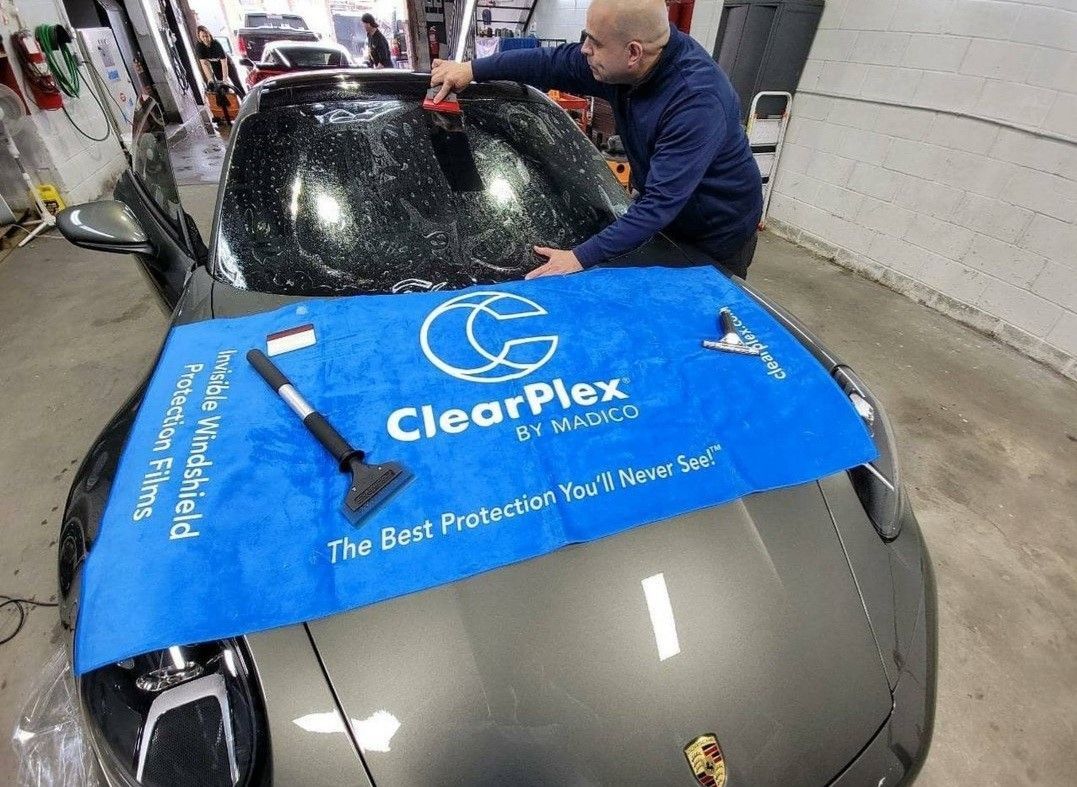
The aerodynamic elements that make your performance vehicle handle brilliantly also create specific sports car paint protection challenges that need addressing.
Front-End Vulnerability: Low-mounted splitters, canards, and aggressive front fascias sit in the impact zone for road debris. These elements are expensive to replace and often made from exposed carbon fiber or specialized composites that show damage easily.
Rocker Panels and Side Skirts: Performance vehicles sit lower, meaning side components are constantly exposed to road spray, small debris, and parking lot hazards. The rocker panel area on a sports car takes more abuse in a month than a typical SUV sees in a year.
Rear Diffusers and Valances: These aerodynamic elements extend beyond the rear bumper on many performance vehicles, creating exposed surfaces that catch debris thrown up by the rear wheels. Protection for these areas needs to account for heat from exhaust systems and constant debris impact.
Hood and Roof Airflow: The way air flows over performance vehicles at speed means debris and contaminants travel different paths than on regular cars. Understanding these flow patterns helps determine which areas need the most protection.
Heat Management and Protection Solutions
Performance vehicles generate heat that affects protection choices. Not all sports car paint protection solutions handle high temperatures equally well.
Engine bay heat management matters for vehicles where hood surfaces reach elevated temperatures. Areas near vents, scoops, and heat extractors need protection rated for these conditions.
Temperature Considerations:
- Exhaust system proximity creates hot spots on bumpers and lower panels
- Brake cooling ducts direct hot air across body panels
- Engine heat affects hood and fender surfaces
- Performance driving creates sustained rather than brief temperature spikes
Quality protection materials are designed to handle these thermal challenges, but understanding where heat occurs helps plan protection coverage appropriately.
Protection for Aggressive Driving Conditions
The driving style that makes owning a performance vehicle worthwhile creates specific protection requirements beyond what normal driving demands.
Hard Acceleration and Braking: Launching a high-performance vehicle and aggressive braking put forces on body panels that can stress improperly installed protection. Quality installation techniques account for these dynamic forces.
High-Speed Airflow: Wind pressure at elevated speeds requires protection edges to be properly sealed and bonded. Installation quality becomes critical when vehicles regularly see higher speeds.
Cornering Forces: Hard cornering loads body panels differently than straight-line driving. Protection needs to flex with panels under load without lifting or delaminating.
Brake Dust Management: Performance brake systems generate more dust than standard brakes, and it's often more aggressive chemically. Protected surfaces resist this contamination and clean more easily.
Installation Considerations for Performance Vehicles
Installing protection on performance vehicles requires understanding their unique construction. Sports car paint protection installation involves working with complex surfaces and specialized materials.
Carbon Fiber Surfaces: Exposed carbon fiber components require specific preparation techniques. The weave pattern needs to remain visible through protection, and the material doesn't respond to standard preparation methods the same way painted surfaces do.
Complex Curves and Contours: Performance vehicles have aggressive styling with sharp curves, deep recesses, and complex three-dimensional surfaces. These surfaces require careful installation to ensure proper adhesion without distortion.
Panel Gaps and Tolerances: Sports cars often have tighter panel gaps and precise tolerances. Protection installation needs to respect these engineering details rather than compromise them.
Removable Components: Many performance vehicles have removable splitters, diffusers, or other aerodynamic elements. Protection strategies need to account for these components being removed for service or adjustment.
Performance Impact Considerations
A legitimate concern for sports car paint protection is whether adding protection affects vehicle performance. The reality depends on the protection method and installation quality.
Weight Impact: Quality paint protection film adds minimal mass – typically less than the weight of a tank of fuel. For street-driven performance vehicles, this is completely negligible.
Aerodynamic Considerations: Properly installed protection creates smooth surfaces that don't disrupt airflow. Quality installation with clean edges and proper trimming maintains aerodynamic efficiency.
Heat Dissipation: Protection over brake cooling ducts or heat extraction vents needs to be planned carefully to avoid compromising thermal management. Thoughtful coverage planning addresses these considerations.
The reality is that proper protection helps maintain performance by preventing damage that could affect aerodynamics. A chip-damaged front splitter or contaminated paint surface creates more disruption than properly installed protection.
Maintaining Protection on Performance Vehicles
Maintaining sports car paint protection on vehicles that see enthusiastic use requires specific approaches that account for the conditions these cars encounter.
Regular Cleaning: Clean your vehicle regularly to prevent contamination buildup. Performance brake dust and road debris are easier to remove when addressed promptly rather than allowed to bond to surfaces.
pH-Neutral Products: Use products designed for protected surfaces to prevent damage while effectively cleaning contamination. Performance vehicles accumulate different types of contamination than standard cars.
Regular Inspection: Check protection condition regularly, particularly on high-impact areas like front bumpers, rocker panels, and areas behind wheels. Look for edge lifting, impact damage, or areas where contamination isn't releasing normally.
Proper Drying: Water that air-dries can leave minerals and contaminants. Use proper drying techniques to prevent water spot etching on both the protection and the paint underneath.
Choosing the Right Protection Strategy
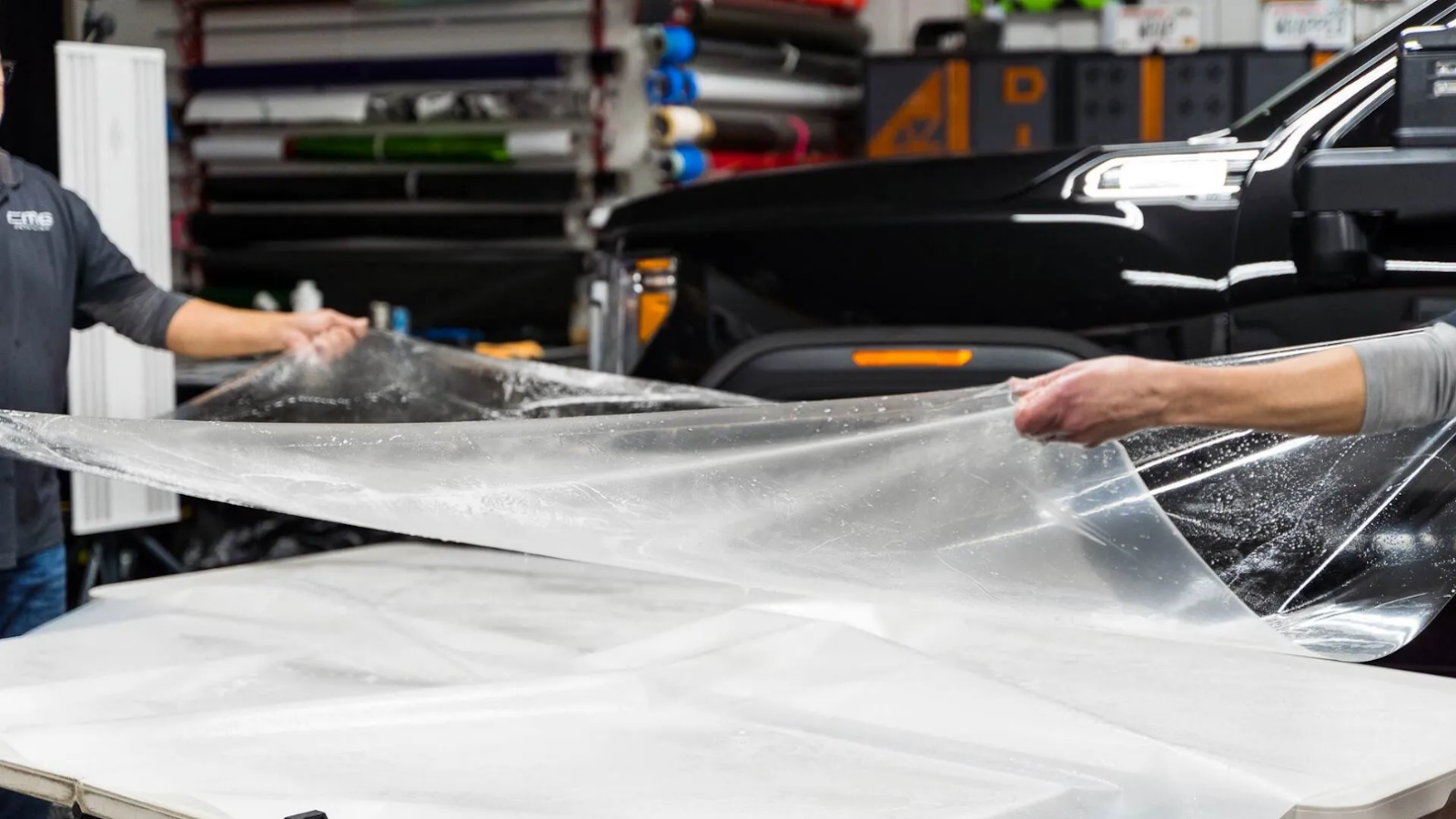
The best sports car paint protection strategy depends on how you use your vehicle and what specific challenges it faces.
Street-Driven Performance Cars: Vehicles used primarily on public roads benefit from comprehensive front-end protection, rocker panels, rear bumper protection, and careful attention to low-mounted aerodynamic components.
Enthusiastic Driving: Cars driven aggressively on public roads need everything street cars need, plus additional consideration for areas exposed to sustained high speeds and dynamic forces.
Show and Display: Vehicles primarily kept for shows or collections benefit from comprehensive coverage to maintain a pristine appearance with minimal exposure to road hazards.
The protection approach should also consider your vehicle's specific characteristics. A mid-engine car has different protection needs than a front-engine car. Rear-wheel drive, front-wheel drive, and all-wheel drive vehicles create different spray patterns and impact zones.
Common Performance Vehicle Protection Areas
Understanding which areas of your vehicle face the most stress helps prioritize sports car paint protection coverage.
High-Priority Areas:
- Front bumper and splitter
- Hood leading edge and center section
- Rocker panels and side skirts
- Rear bumper and diffuser
- Side mirror housings
- Door edges and handles
Secondary Coverage Areas:
- Full hood protection
- Fender protection behind wheels
- A-pillar and roof edge
- Trunk lid leading edge
- Headlight and taillight lenses
Special Attention Zones:
- Carbon fiber components
- Areas near exhaust outlets
- Brake cooling duct surrounds
- Low-mounted aerodynamic elements
Coverage decisions should balance protection needs with budget considerations and how you actually use your vehicle.
Ready to discuss protection options for your vehicle? Contact us to explore paint protection film and ceramic coating solutions for your performance car.
Frequently Asked Questions
What makes sports car paint protection different from regular vehicle protection?
Performance vehicles face unique challenges, including higher operating temperatures, aggressive aerodynamic designs with low-mounted components, and specialized materials like carbon fiber. Protection needs to handle sustained high heat near exhaust systems and brake components, protect low-mounted splitters and diffusers from constant debris impact, and work with materials that require different installation approaches than standard painted surfaces.
Will paint protection affect my performance vehicle's aerodynamics or weight?
Properly installed protection has negligible impact on both. Quality paint protection film adds minimal weight – typically less than filling your fuel tank. Aerodynamic impact is effectively zero when protection is installed with smooth edges and proper surface preparation. Thoughtful coverage planning ensures protection doesn't compromise brake cooling or heat extraction areas.
Can paint protection handle high-performance driving conditions?
Quality paint protection film is designed to handle the stresses of performance driving including high-speed impact from debris, sustained elevated temperatures, and forces from aggressive acceleration and cornering. However, proper installation is critical to ensure protection stays bonded under these dynamic conditions. Areas near brake cooling ducts and exhaust outlets need particular attention to ensure protection can handle sustained high temperatures.
How should I protect carbon fiber components on my performance vehicle?
Carbon fiber requires installation techniques that differ from standard painted surfaces. The protection needs to maintain visibility of the carbon weave pattern while properly bonding to the material's unique surface characteristics. Carbon fiber doesn't respond to standard preparation techniques the same way conventional paint does, so surface preparation requires different approaches to ensure proper adhesion.
How often should I inspect protection on my performance vehicle?
Regular inspection helps identify issues before they become problems. Check high-impact areas like front bumpers, rocker panels, and areas behind wheels monthly during normal washing. Look for edge lifting, impact damage, or areas where contamination isn't releasing normally. More frequent inspection is beneficial for vehicles driven aggressively or in demanding conditions. Early detection allows for addressing minor issues before they spread.