What Should You Expect From a Professional PPF Consultation?
Walking into a detailing shop and pointing at a package on the wall is one way to get paint protection film. But it is not the best way. A proper consultation takes time to understand your vehicle, your driving habits, and what you actually need from the protection.
Professional paint protection film services start with a conversation, not a sales pitch. The goal is to figure out which coverage makes sense for your situation. Maybe full front coverage handles everything you need. Maybe your parking situation calls for something more. The right answer depends on factors that only you and a knowledgeable installer can work through together.
This article walks through what a quality consultation should look like and why that personalized approach matters more than picking a package off a menu.
Evaluating Your Vehicle's Current Condition
A good consultation starts with examining your paint before suggesting any coverage.
Fresh paint in excellent condition can go straight under film. But existing defects need attention first. Chips, swirl marks, or oxidation that get covered by PPF stay visible underneath. A professional will discuss whether paint correction makes sense before installation.
At Upscale Detail Co LLC, the team evaluates your vehicle's condition and determines what prep work the paint needs. Some cars have paint that chips more easily or body lines that make certain coverage patterns more practical.
Understanding Your Driving Habits
How you use your vehicle shapes which coverage makes sense. A quality professional paint protection film services consultation asks about your driving patterns: annual mileage, highway versus city driving, exposure to construction zones or gravel roads, and whether it is a daily driver or weekend car.
Highway driving puts the front end in constant contact with road debris. City driving adds exposure to door dings in parking lots. Here in Columbus, factors like construction on I-185 and seasonal conditions affect what your paint faces.
The installer should connect these details to specific coverage suggestions. Someone putting on 25,000 miles a year on highways has different needs than someone driving a few times a week locally.
Assessing Paint Vulnerabilities
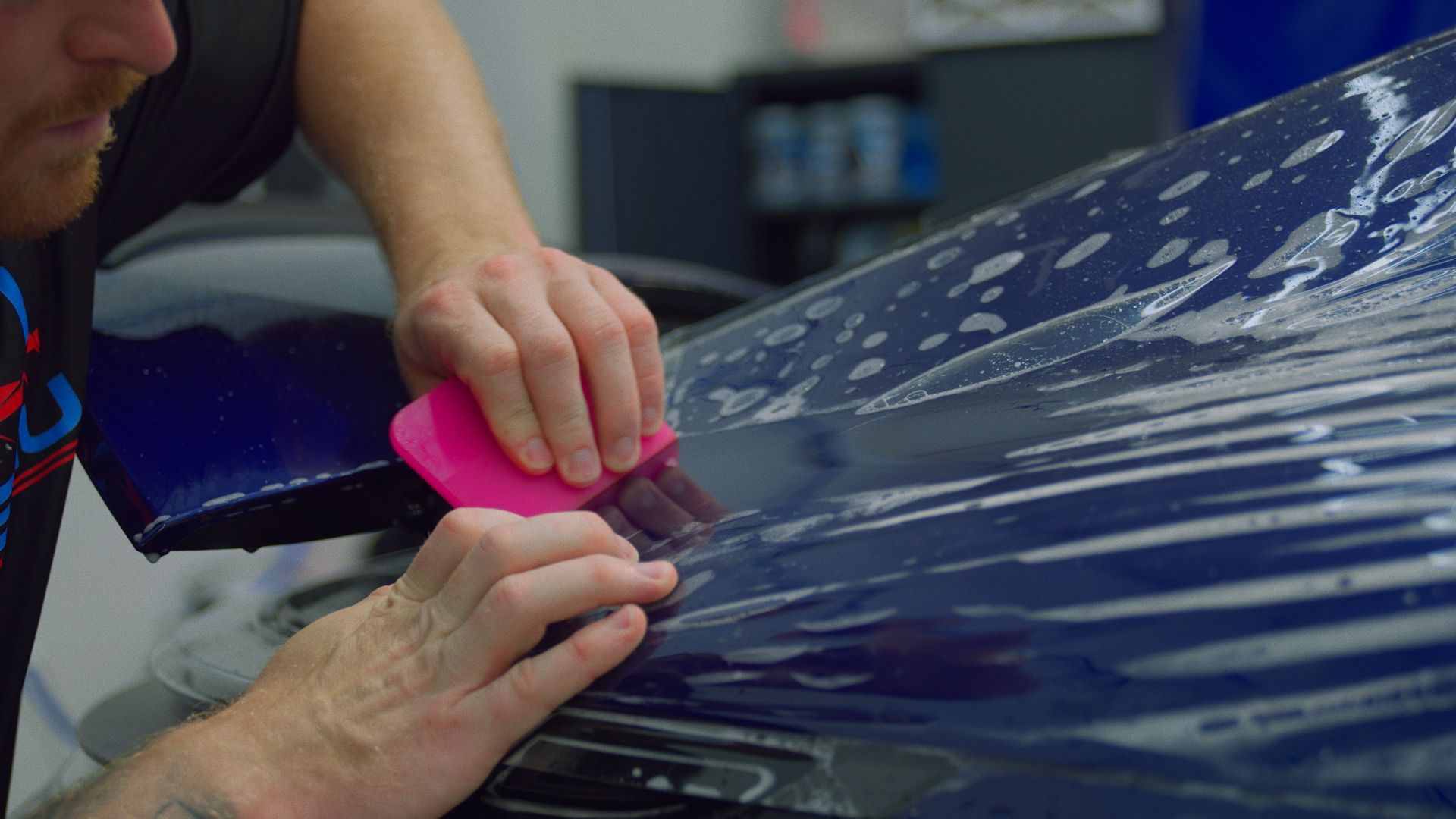
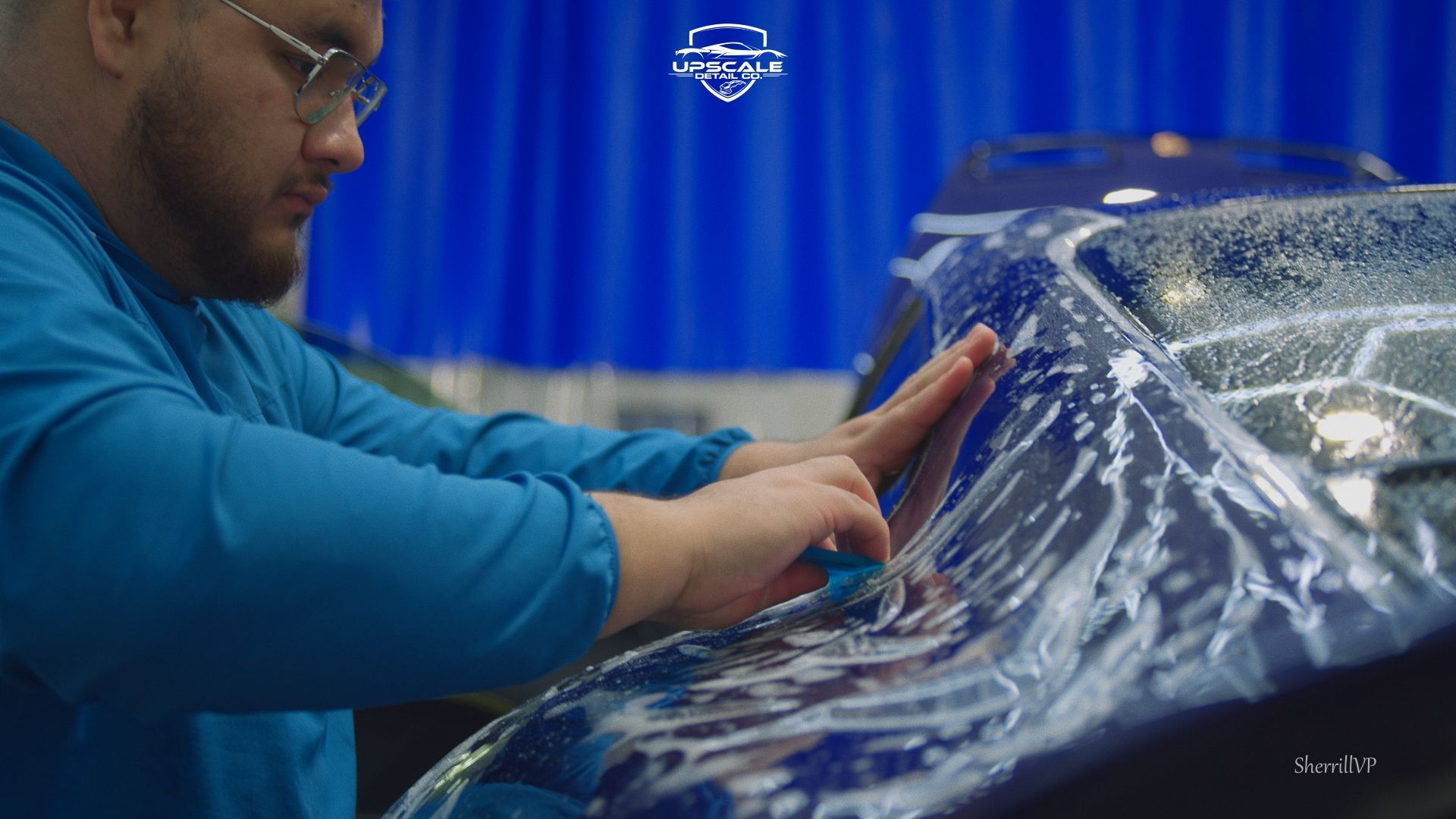
Not every part of your vehicle faces the same risks. A thorough consultation identifies which areas are most vulnerable based on how you drive and where you park.
Front-facing surfaces take the brunt of road debris. The hood, front bumper, headlights, and mirrors catch rocks and sand kicked up by other vehicles. Front-end coverage handles about 80% of the damage most vehicles encounter.
But other areas have their own risks: rocker panels catch debris from your own tires, door edges face dings in parking lots, and the roof edge can collect chips from highway overpasses. A good consultation maps your specific exposure to coverage options that address it.
Discussing Desired Coverage Options
Once the installer understands your situation, the conversation moves to what coverage makes sense. Paint protection film comes in several configurations, and each serves a different purpose.
Common options include:
- Full front coverage that protects mirrors, hood, fenders, and front bumper
- Track packages that add A-pillars, roof edge, and rocker panels
- Full vehicle coverage that wraps every painted surface
The consultation should explain what each option protects and what it leaves exposed. There is no one-size-fits-all answer. The right choice depends on your priorities, your budget, and how long you plan to keep the vehicle.
A professional will also explain that you can add coverage later. Starting with front-end protection and expanding over time is a valid approach, though doing everything at once is usually more efficient.
Considering Long-Term Ownership Goals
How long you plan to own the vehicle affects which investment makes sense. This is something a quality professional paint protection film services consultation should address directly.
If you plan to keep your vehicle for many years, protecting more surfaces preserves its condition over time. When you eventually sell, that protection shows in the vehicle's appearance and value.
If you trade vehicles every few years, front-end coverage might handle your needs. The film is removable without harming the original paint, so it will not complicate a future sale.
Why Personalized Suggestions Matter
Selecting a standard package without conversation leaves too much to chance. Maybe you park in a tight garage where door coverage matters less. Maybe you have a long gravel driveway that batters your rocker panels. Maybe you already have chips that need correction before any film goes on.
A personalized approach accounts for these details. The installer looks at your actual vehicle, listens to how you use it, and suggests coverage that fits.
At Upscale Detail Co LLC, the team works with you to ensure your protective needs are met. The consultation is about finding the right solution, not pushing the most expensive option.
The Importance of Transparent Advice
Trust matters when you are making a decision about your vehicle. A professional consultation should feel informative, not pressured.
Watch for these signs of a quality shop: they explain why they suggest specific coverage, point out areas where you might not need protection, discuss prep work honestly, and answer questions without rushing you. A shop that earns your trust with honest advice is more likely to deliver quality installation.
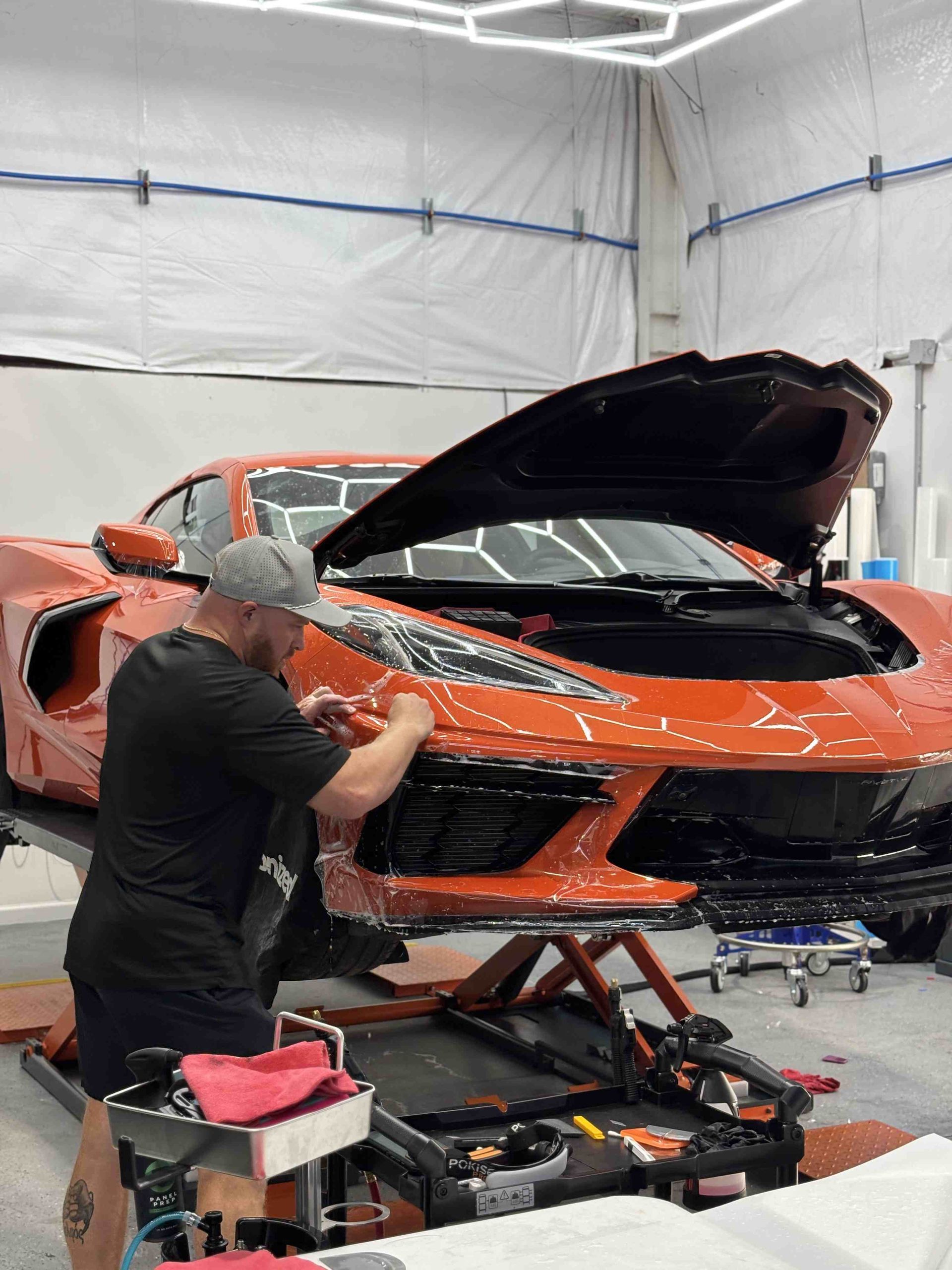
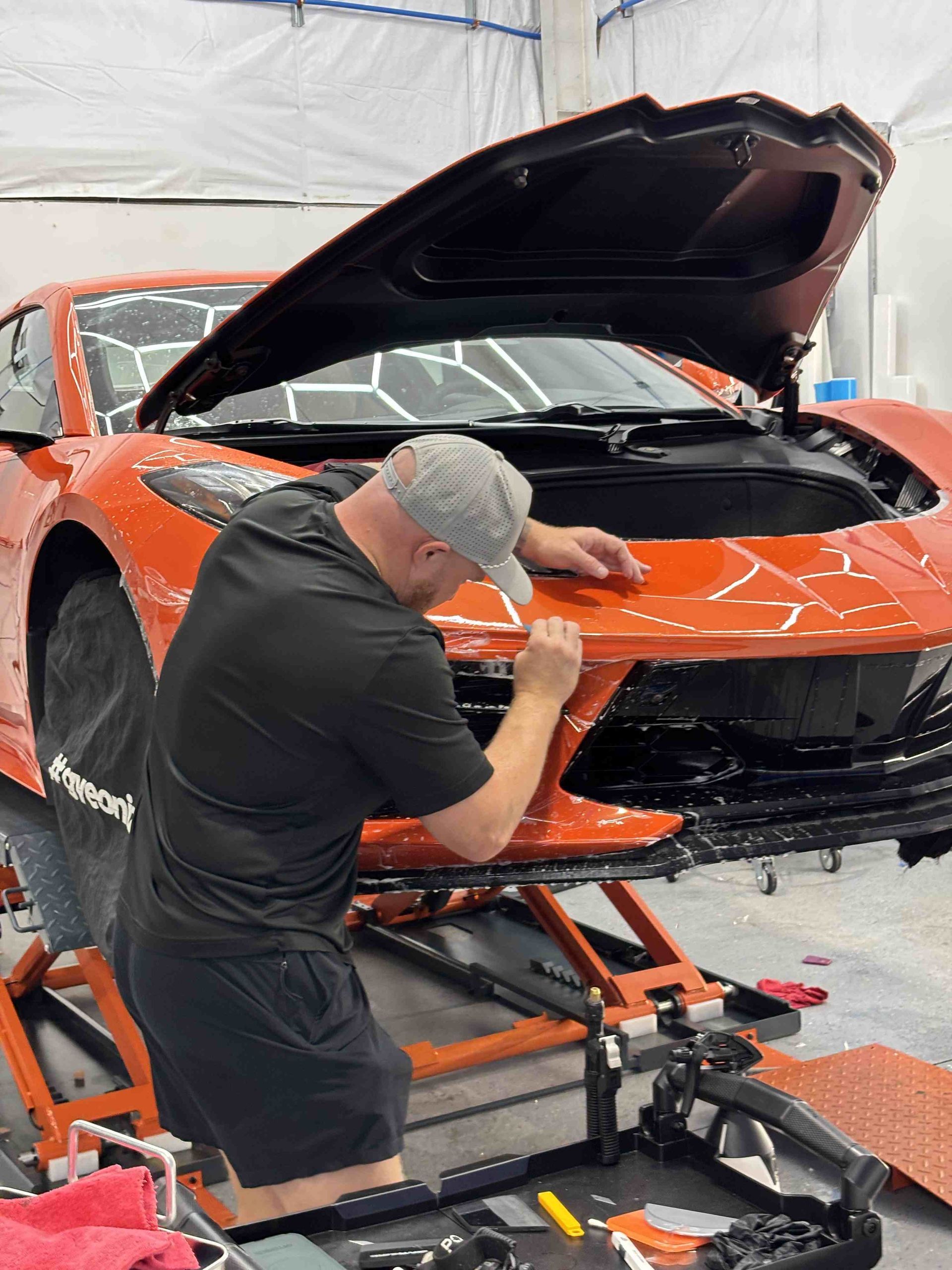
Proper Planning Before Installation
A consultation is not just about choosing coverage. It also covers practical details: how long installation takes, what happens during the curing period, how to care for the film, and what it protects against.
With proper maintenance, the film can protect your vehicle for many years. But longevity depends on avoiding things like drive-through washes that use spinning brushes. A good consultation covers these maintenance basics so you know what to expect.
Ready to discuss which coverage makes sense for your vehicle? Contact the team at Upscale Detail Co LLC for a personalized consultation.
Frequently Asked Questions
What information should I bring to a PPF consultation
Come prepared with details about your driving habits, where you park, and how long you plan to keep the vehicle. Knowing your annual mileage and typical routes helps the installer suggest appropriate coverage. If your paint has existing damage, mention that so the team can evaluate whether correction is needed.
How long does a PPF consultation take
A thorough consultation takes enough time to examine your vehicle and discuss your needs. The installer should look at your paint condition, ask about your driving patterns, and explain the coverage options that fit your situation. Rushing through this process leads to suggestions that may not match your actual needs.
Can I add more PPF coverage later
Yes. You can start with front-end protection and add coverage to other areas down the road. Many owners begin with the areas that face the most exposure and expand from there. Doing everything at once is typically more efficient, but adding coverage over time is a valid approach if budget is a factor.
What makes a consultation better than just picking a package
A consultation considers your specific vehicle, driving habits, and goals. A package selected without that conversation might leave vulnerable areas unprotected or cover surfaces that face minimal risk. The personalized approach ensures the protection matches what your vehicle actually needs based on how you use it.
Should I get paint correction before PPF installation
If your paint has chips, swirl marks, or other defects, correction before installation is worth considering. Film applied over damaged paint locks those imperfections in place. A professional consultation will evaluate your paint condition and let you know whether correction would improve the final result.